
Many writers fall into the trap of telling instead of showing.
Because readers have a cinematic mindset, they are quickly bored with descriptions of emotions, backstory, and internal thoughts rather than dynamic action and dialogue they get from movies. For better storytelling, think like a screenwriter who must show everything through what characters say and do.
Let the Action Show the Character.
In a movie, you never see words to describe characters’ thoughts. Their personality, motivation, and internal conflict is shown through action. Lazy writing tells readers that a person is angry. Smart, energetic writing will show anger. First, we must visualize the picture of what that anger looks like, and then we write the words that describe the action.
Telling: Jack was mad at his coworker for taking credit for his idea.
Showing: His clenched fist raised, Jack glared at him, slammed his laptop shut, and pushed his chair back so hard it tipped over.
In film, actors’ body language and expressions show how they feel. In writing, actions serve the same purpose. Use movement, facial expressions, and physical reactions to show emotions rather than naming them.
Dialogue Drives the Story.
In movies, what people say works in harmony with the action to move a story forward. Good dialogue in storytelling should do the same thing, revealing character, building tension, and keeping readers engaged.
Telling: Janet was afraid to ask her boss for a raise. She’d worked hard and always did more than the job required, but her stuttering made communication difficult. Getting him to say yes wasn’t likely, but she had to try.
Showing:
“Uh … H-henry.” Janet forced a smile. “Could we m-maybe talk about my p-paycheck.”
“Why?” Henry raised an eyebrow. “Is something wrong?”
“No … I just …” Janet rubbed her hands together. “I’ve taken on m-more responsibilities, and I r-really need a raise.”
Now, instead of being told Janet is nervous, readers see her hesitation through dialogue and action. Showing is much stronger because it pulls readers into the action instead of giving them a report on what happened.
Cut the Setup and Explanation.
Movies don’t waste time explaining the situation or giving unnecessary backstory. They start in the middle of the important action, what we call in media res, and viewers mentally fill in the details the same as they would if they walked into a barroom brawl.
Telling: It had been a grueling day at work. Tired to the bone, Bill entered his apartment and thought about everything that had gone wrong.
Showing: Bill threw his jacket onto the chair and collapsed on the couch, groaning. “This is the last time I’ll ever agree to working a double shift.”
The second version pulls readers straight into the scene rather than explaining it beforehand.
Trust Your Readers.
With a movie’s sound, action, and dialogue, viewers feel the tension and want to know what will happen next. They aren’t bothered by a lack of explanation. As the drama unfolds, they figure it out. Your writing can work the same way, because readers are much smarter than we might think. Avoid explaining, but show with action and dialogue, and they’ll be engaged as they assemble the picture in their minds.
Telling: The dark alley was scary. Tim had always been claustrophobic, but this was enough to give him a heart attack.
Showing: At the alley entrance, Tim hesitated. Took a deep breath. As he stepped forward, the walls were closing in.
In storytelling, the more you avoid explanation, the more that readers will feel the emotion of the story and keep turning the pages. Trust your audience to pick up on the action and dialogue cues.
Today’s readers quickly lose interest with literary storytelling filled with unnecessary details and explanations. They prefer stories that have the feel of a movie, focusing on the action and dialogue. Cut unnecessary exposition, let characters’ actions and words reveal their emotions, and drop readers right into the middle of the moment. By thinking like a screenwriter, you’ll create breathtaking stories that readers can’t put down.
The next time you sit down to write, forget the narrator and write the movie.
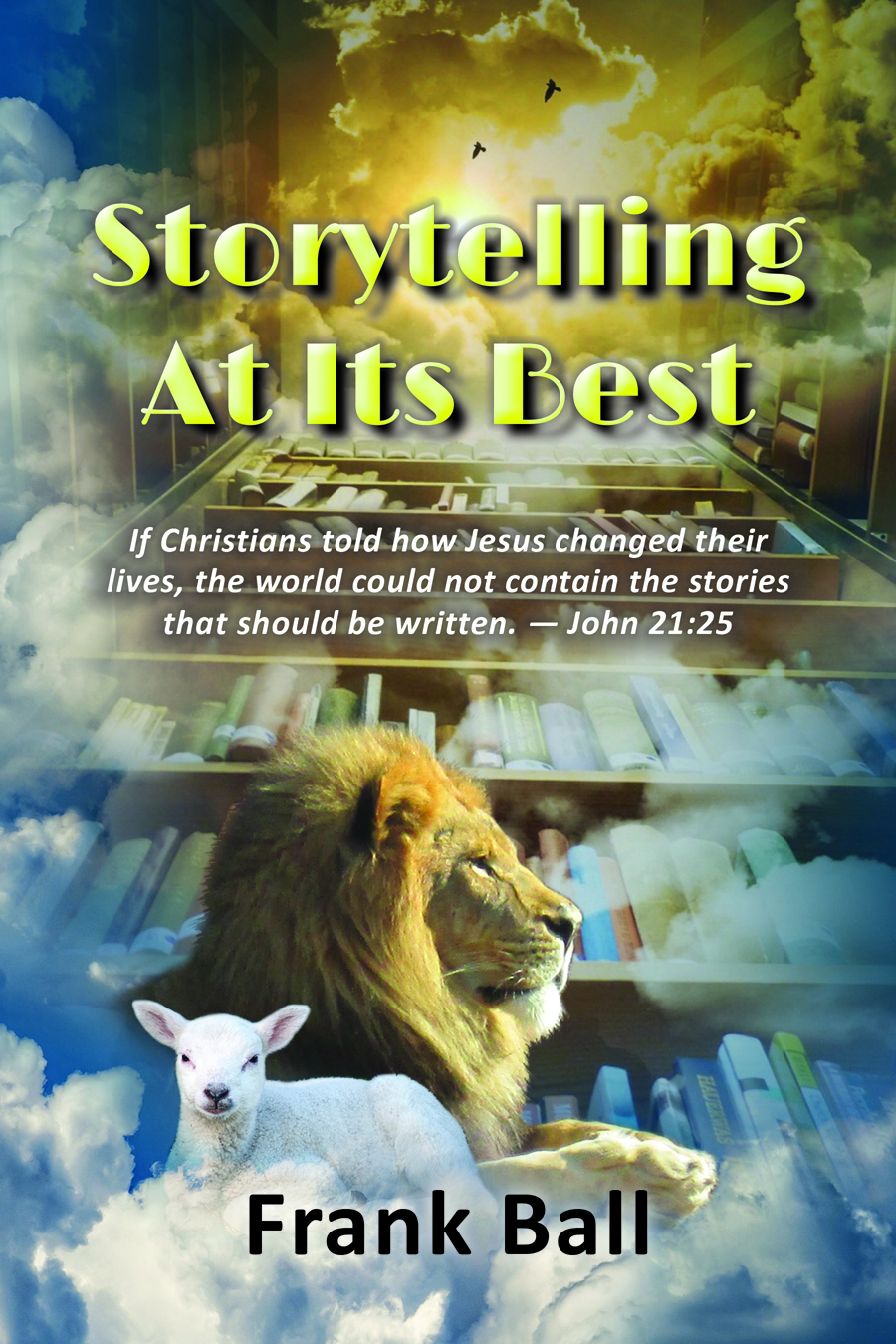
For a practical guide to storytelling, check out Storytelling at Its Best