
There is no substitute for the age-old story formula: the hero (or heroin) has a serious problem. He attempts to solve it but plunges deeper into danger. His stumbling blocks, growing logically from his efforts to find a solution, become increasingly monumental. At last, forced by the harsh circumstances to learn something about himself or the world around him, to learn a Truth of which he was previously unaware, he solves his problem — or loses magnificently. — Dean Koontz
Every great story rests on truth. If we don’t know the truth, we can’t recognize a lie—whether in life, in literature, or in the lines we craft. Pilate’s haunting question, “What is truth?” still echoes today. We are responsible to pursue truth so our words can illuminate rather than mislead.
Think of it this way: if you want to recognize a counterfeit bill, you first study the real one. In writing, truth is that “real bill.” Without it, characters ring hollow, plots feel contrived, and readers sense something missing.
Not Found in Formulas
Many writers search for the perfect formula—the right structure, the right pacing, the right how-to steps. But truth comes from connection, not formula. Just as spiritual truth comes from genuine engagement with God’s Spirit, literary truth comes when we listen deeply to the world around us and to the story that longs to be told.
We should pray for Spirit-led sensitivity to recognize what rings true in our words and what falls flat.
A Model for Writers
The Pharisees studied Scripture all their lives, yet they didn’t correctly recognize Jesus as one sent from God. We can make the same mistake—mastering grammar, reading classics, and analyzing technique—yet missing the heart of storytelling.
The lesson? Tools and texts are essential, but insufficient without being open and honest, writing from the heart. We must approach both the Bible and our writing with a willingness to be reshaped, corrected, and surprised. Otherwise, our stories risk becoming polished shells without substance.
Blind Spots
Writers naturally bring bias to the pages because of our upbringing, our culture, and our personal wounds. These can enrich our writing, but they can also blind us. Paul wrote that creation itself reveals God’s truth, yet some refuse to see because they don’t want to. Similarly, we may overlook obvious insights because they challenge our assumptions.
Adam and Eve illustrate this tension. Eve was deceived; Adam chose desire over obedience. Both remind us that deception and self-interest can distort our vision.
We should always be asking ourselves, Am I telling the story as it truthfully is, or as I wish it to be?
Believing Before Seeing
The world says “seeing is believing,” but in both faith and in what we write, the reverse is true: “believing is seeing.” Jesus said knowing the truth would set us free. We must believe in the story’s worth before the world sees it.
This is why persistence matters. A manuscript may not look promising at first draft, but belief fuels revision. Recognition of truth requires patience, prayer, and courage to keep writing until clarity emerges.
Chasing the Truth
It’s tempting to chase what’s popular: trends, tropes, or formulas that promise quick success. But discerning falsehoods in culture or writing isn’t our main task. Our focus must pursue undeniable truth. Like counterfeit experts who study genuine bills, we must immerse ourselves in truth—God’s truth, human truth, and narrative truth—which will naturally expose lies.
God’s Word is a lamp that lights our journey (Psalm 119:105). Without that, we risk stumbling through drafts filled with clichés and half-truths.
Training the Writer’s Eye
Our minds filter details. We skip over things that seem ordinary, yet those very details often contain specifics that are crucial to making a story true-to-life captivating. Recognition can be trained. We learn to ask what-if questions, explore unseen angles, and invite God’s presence to sharpen our perception.
Seeking wisdom like hidden treasure (Proverbs 2:4–5) we mine dialogue for subtext, examine character motives, and ask what deeper truth the narrative needs to reveal. Like athletes training muscle memory, writers train recognition through deliberate practice.
Encouragement and Choice
Encouragement supports our choices but it doesn’t force them. Daily, we face choices to write or procrastinate, to tell the hard truth or soften it. We choose whether to write words that merely entertain or words that carry truth and light.
Ultimately, recognition—whether of truth in life or story—requires God’s help. Writers must intentionally search, care about what matters to God, and be willing to let truth reshape their work.
We should never settle for shallow words. Pray for eyes that see, ears that hear, and hearts that discern. When we recognize and write the truth, our words do more than tell a story. They set captives free.
Avoid deception in your words. Speak with honesty and clarity, for every story we tell helps shape God’s family. — Ephesians 4:25 Scripture for Writers
The Hero, the Truth, and the Tale
Our hero steps forward, a problem in hand.
He stumbles and tumbles. Things don’t go as planned.
Each fix that he tries brings him deeper in gloom,
Till danger grows larger and fills up the room.
The hurdles keep building, growing tall and wide.
He trips and he slips, and there’s nowhere to hide.
His struggles reveal what was hidden from view—
A truth he must learn, something noble and new.
Sometimes he will win, and the crowd will cheer.
Maybe he won’t, but his loss will be sincere.
Every great adventure, each tale that we tell,
Rings hollow without truth to anchor it well.
So write not with glitter, with gimmick, or lies,
For readers are sharper and see with clear eyes.
Like spotting a fake from the real dollar bill,
They’ll know when a story feels empty or still.
But if you write honestly, with truth as your guide,
Your words will shine brightly, not hollow inside.
Your stories grow stronger when rooted in light.
They lead into wisdom when wrongs are turned to right.
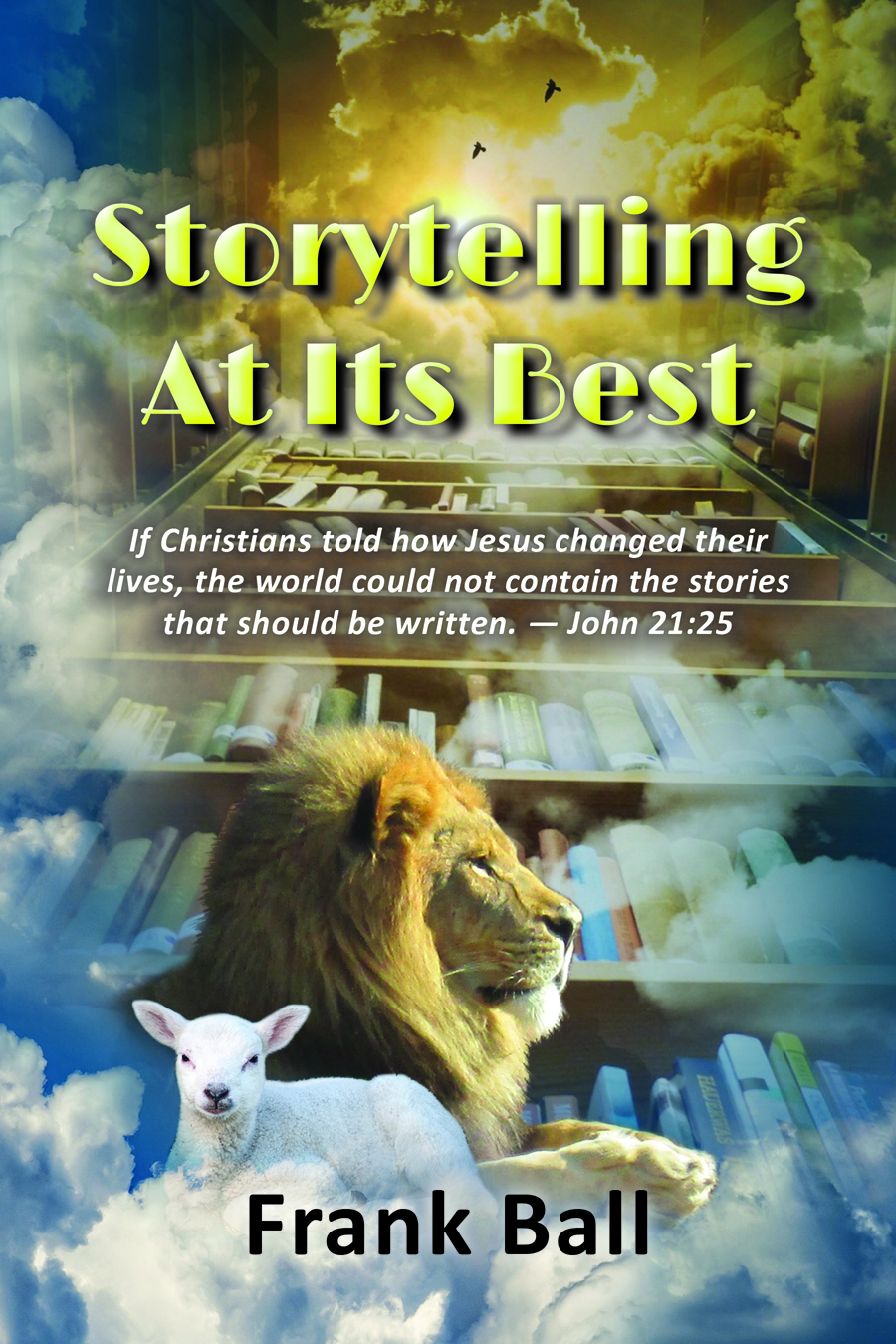
For a practical guide to storytelling, check out Storytelling at Its Best