
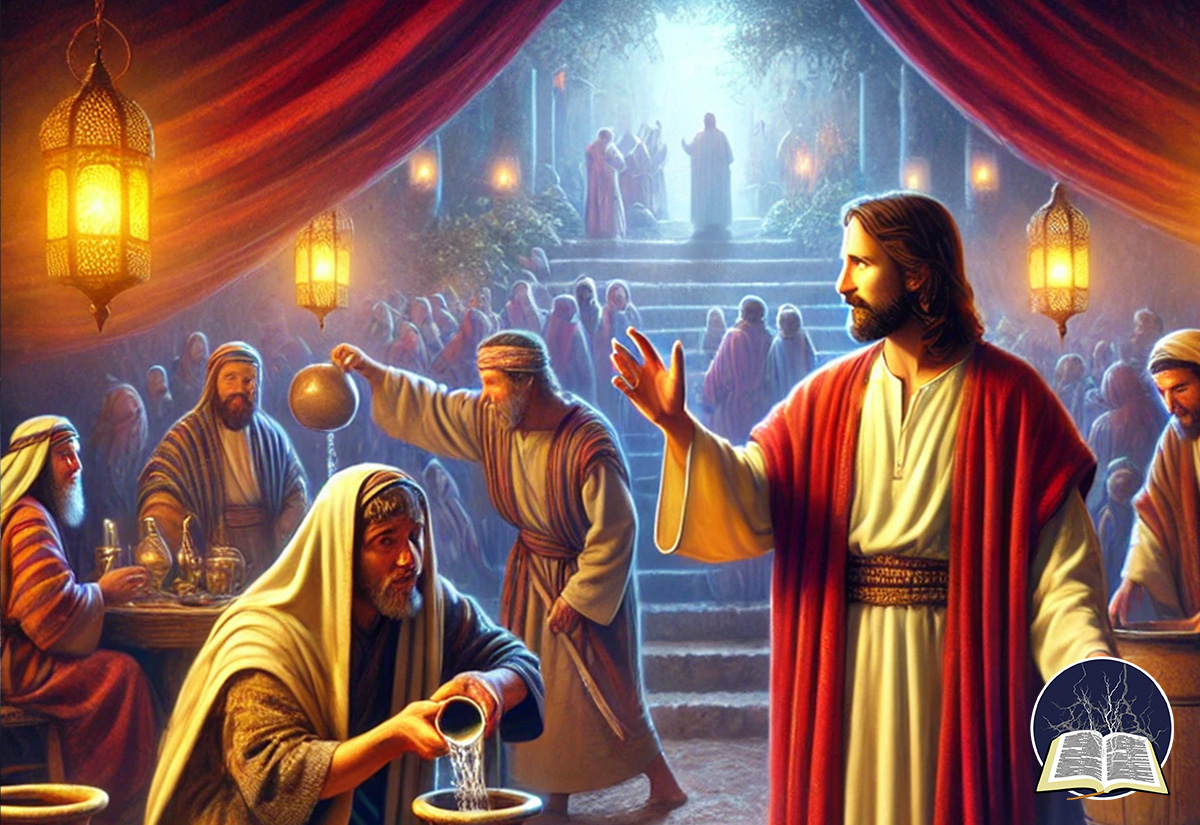
What did the servants think after being told to dip the wash water from the jars and pour it into the host’s wine mug?
The story in John Chapter 2 about water changed to wine at the wedding in Cana really did happen. While much attention has been given to the miracle, little is said about the servants who were involved in the process. As we visualize the scene, we might think the servants questioned Jesus’ sanity.
What the Servants Heard
At a wedding feast, we might think running out of food would be a problem, but that isn’t what happened. They ran out of wine. Mary went to Jesus as if she expected him to do something he wasn’t willing to do. Something must have been resolved in the situation, because she turned to the servants and said, “Do whatever he tells you.”
This wedding must have brought the whole town together, because normally a single large stone jar holding up to thirty gallons of water would be needed for guests to stop and wash their hands. We have six of these handwashing stations, each weighing 350 pounds when full of water.
“Fill the jars with water,” Jesus said.
What the Servants Were Thinking
Now that we have the whole story, we know what Jesus was up to. But the servants couldn’t have known that. What did they know? They were out of wine. To solve this problem, Jesus has asked them to go to the local well, draw more water, and fill the handwashing jars to the brim. Since servants in that day were obedient without questioning, they did as they were told.
What they were thinking and might have said among themselves might be: “This makes no sense. Getting water to drink would be one thing, although the people wouldn’t be happy about that. But putting more water in the washbasins? This is ridiculous.”
The Servants’ Insane Obedience
After the handwashing jars were completely full, Jesus said, “Dip some out and take it to the host.”
This situation had gone from stupid to insane. What would the host do when he tasted the water? It wasn’t even good well water. Why he’d spit it out, make a terrible face, and say, “What is this?” Anticipating such an obvious response would have made obedience difficult, but the servants did as they were told. They carried dirty water in their pitchers and poured it into people’s mugs as if it were wine.
When the Transformation Happened
The Bible doesn’t give us the precise moment when the water became wine. Maybe it happened as the servants were carrying their pitchers. Or maybe it happened as the water was poured into the mugs. Since none of the guests saw or tasted anything but wine, I’m inclined to think the water changed to wine inside the pitchers, each time the servants went back for more water.
Of one fact we may be certain: The servants were amazed when the host said to the groom, “This is the best wine I’ve ever tasted. Normally, everyone brings the choice wine first. After the guests have had too much to drink, they bring the cheaper wine. You have saved the best until now.”
The Rest of the Story
We don’t know what the servants did after the wedding feast. What did they say to Jesus, if anything? How would Jesus have answered their questions? What would they have said to their friends and neighbors? Might they have become followers of Jesus?
We’re left to imagine the rest of the story.
Sometimes, obedience precedes understanding. Whether we trust fully, question hesitantly, or even fear the outcome, stepping out in faith allows us to see God’s miraculous work.
Let this story remind us that when Jesus calls us to obey, the outcome is always in his hands.
For many more open-ended discussion questions for almost every verse in the Bible, check out The Discussion Bible