
Place your time in God’s hands. Rather than to-do’s, write out God-do’s. What does God want me to do today? How does he want me to spend my time? — Samantha Evans Tschritter
Every writer eventually runs into the wall of impossibility.
You stare at the blinking cursor and think:
- I can’t write this chapter.
- I can’t finish this book.
- I can’t reach readers.
- I can’t overcome my fear.
- I can’t tell this story well enough.
Writers often live between possibility and impossibility. Some days creativity flows like a river. On other days, every sentence feels like pushing a boulder uphill. But spiritual growth changes how a writer sees both possibility and impossibility. Scripture teaches that possibility isn’t rooted merely in human confidence, talent, or positive thinking. True possibility begins with alignment to God’s will, God’s nature, and God’s purpose.
In our writing world, this truth changes everything.
Misunderstood Possibility
Many people repeat phrases like, “You can do anything if you believe.” That may sound encouraging, but it’s not quite right. Belief alone doesn’t make all things possible. Try walking on water. Peter did it, but he had help. So do we. What we believe needs to partner with what God wants to do with out effort. Then, what we might otherwise think is impossible can become reality.
With men, it is impossible. But with God, all things are possible. — Matthew 19:26
We can easily fall into the trap of believing that success comes purely through self-confidence, branding, or ambition. While discipline and effort matter, writing becomes spiritually dangerous when it turns into self-exaltation instead of service.
A writer aligned with God asks different questions:
- Does this story honor truth?
- Does this message help people?
- Does this writing reflect God’s character?
- Am I pursuing fame or faithfulness?
- Am I writing for applause or obedience?
Possibility grows when our desires align with God’s desires.
Writer Responsibility
We can write a wonderful book, but readers still decide whether to open it. A teacher may speak truth, but listeners still choose whether to receive it. A novelist may present hope, but audiences still possess freedom. Understanding this can free us from unhealthy pressure to perform. We’re responsible for obedience, effort, and faithfulness. But we’re not responsible for outcomes.
That realization can remove enormous creative anxiety. The farmer plants seeds but can’t force growth. The writer plants words but can’t force transformation. Only God changes hearts. So we’re responsible for effort, not results.
Writers are sowers, not controllers.
From Glory to Glory
Spiritual maturity transforms what a person considers possible. At first, we may dream only of followers, awards, and having a bestseller. But that’s not necessarily the glory that God has in mind for us.
The mature writer gradually desires:
- truth over popularity,
- depth over hype,
- eternal impact over temporary applause,
- faithfulness over recognition.
This transformation changes both ambition and expectation. Some things once considered “impossible” suddenly become possible:
- forgiving harsh critics,
- persevering through rejection,
- writing with humility,
- serving readers sacrificially,
- creating despite fear,
- waiting patiently for God’s timing.
As worldly goals lose their attraction, we begin to see the value of just one life changes because of what we’ve written. The more we walk with God, the more clearly we see reality through his perspective rather than our own limited understanding.
What God Wants Written
One of the greatest shifts for any writer is moving from: “What do I want to write?” to: “What does God want written through me?” That doesn’t eliminate personality or creativity. In fact, God will work through our unique voice, experiences, and perspective. With a prayer, he might add a bit of humor, the sugar that helps truth medicine go down.
Spiritually grounded writing is an act of stewardship, not self-glory.
A surrendered writer will pray:
- Lord, what truth needs to be spoken?
- Who needs encouragement?
- What deception needs exposing?
- What story might help someone heal?
- What message points people toward hope?
Those prayers align us with the true source of possibility.
The Impossible Made Possible
Human thinking often measures possibility by resources, talent, timing, or probability. But God will use our weaknesses, as well.
Throughout Scripture, God repeatedly worked through:
- shepherds,
- fishermen,
- prisoners,
- widows,
- stutterers,
- outcasts,
- persecutors turned apostles.
The pattern is unmistakable: God specializes in doing eternal things through insufficient people. That should encourage every aspiring writer.
- You may feel inadequate.
- You may feel unnoticed.
- You may feel incapable.
- But your limitations do not define God’s possibilities.
The key is not simply believing harder. The key is walking closer. Because apart from God, many things remain impossible. But with God, the impossible often becomes the doorway through which his power is revealed.
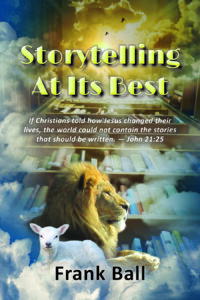
For a practical guide to storytelling, check out Storytelling at Its Best