
If God is so gracious, forgiving, and generous, why doesn’t he give us what we want? Under what conditions will he give us what we want?
If you who are evil know how to give good gifts to your children, you can be sure your heavenly Father will give the Holy Spirit to those who ask him. — Luke 11:13
You may have heard grace defined as “God’s unmerited favor.” While that’s true, Scripture reveals much more. Favor describes what grace does. Presence describes what grace is: “God’s unmerited presence.”
The greatest blessing God offers isn’t forgiveness, provision, healing, wisdom, or even Heaven in all its glory. The greatest blessing is God himself.
Grace in the Old Testament
When Moses met with God after Israel’s rebellion with the golden calf, his greatest concern was not reaching the Promised Land. It was God’s presence.
“If you aren’t going to go with us,” Moses said, “then don’t call us away from this place. How can we know we are pleasing you if you aren’t walking with us? Your presence distinguishes us from all the other people on Earth.” — Exodus 33:15–16
A land flowing with milk and honey wasn’t enough. Victory over enemies wasn’t enough. Prosperity wasn’t enough. Apart from God, blessings have little value.
Seeing God’s grace as “unmerited favor” recognizes how blessed we are to have his gifts. But to have the Giver walk with us, hand-in-hand, we can experience his greatness and glory in all we say and do.
- Noah found grace in the eyes of the Lord and survived the flood because God was with him.
- Joseph found grace while imprisoned in Egypt because God was with him.
- David faced Goliath with confidence because God was with him.
- Daniel survived Babylon because God was with him.
In every case, grace was demonstrated through God’s active involvement in people who loved him and were working to fulfill his purpose.
Grace in the New Testament
The New Testament opens with one of the most significant names ever given to Jesus: Immanuel—God with us (Matthew 1:23). That title may be the clearest picture of grace in all of Scripture.
Jesus did not merely bring grace. He embodied grace.
The Word became human and we have seen the majestic splendor of Jesus Christ, the Word of Life, and the glory of the only son of the Father. —John 1:14
Grace arrived because God is all about fulfilling his plan to have a family. The ministry of Jesus was not simply a demonstration of divine power. It was the visible expression of God’s desire to walk among people of like mind and spirit. The cross removed the barrier of sin. The resurrection defeated death. The Holy Spirit came to dwell within those who repent, choosing to love God and follow his ways.
Grace brings intimate fellowship between God and people in a way unknown among all the heavenly host. Humans are the only creatures who can say they were lost and destined for Hell and chose to repent and be saved by God’s amazing grace.
Different Traditions, Common Ground
Christian denominations often disagree about how grace operates.
- The Reformed tradition emphasizes God’s sovereign grace.
- The Arminian and Wesleyan traditions emphasize grace that enables people to respond freely.
- Roman Catholic theology often speaks of grace as God’s life working within believers through faith and the sacraments.
- Eastern Orthodox believers emphasize participation in the life of God through a process called theosis, which is becoming like Christ.
These traditions share a common conclusion: Grace gives people a choice for a relationship with God—to be with him forever or to go their own way.
Grace in Everyday Life
Many believers see grace as something they received when they were saved, as if we have the “brass ring,” which we do. But whether we love God’s presence enough to hang on will be tested when the path he has for us isn’t what we would have chosen. The apostle Paul often writes about what he endured.
I was given a thorn in my flesh, a messenger from Satan sent to keep me humble. I prayed at three different times for the Lord to remove my affliction. But God said no. “My grace is sufficient,” he said. “In your weakness, your dependence upon me makes you strong.” Therefore, I will boast of this affliction if it makes the power of Jesus Christ alive in me. — 2 Corinthians 12:7–9
God essentially told Paul, “You have what you need because you have me.” That same principle applies today.
- Grace is God walking with the widow through grief.
- Grace is God strengthening the exhausted caregiver.
- Grace is God guiding the confused writer staring at a blank page.
- Grace is God comforting a parent who can’t see the outcome.
- Grace is God providing peace when circumstances offer none.
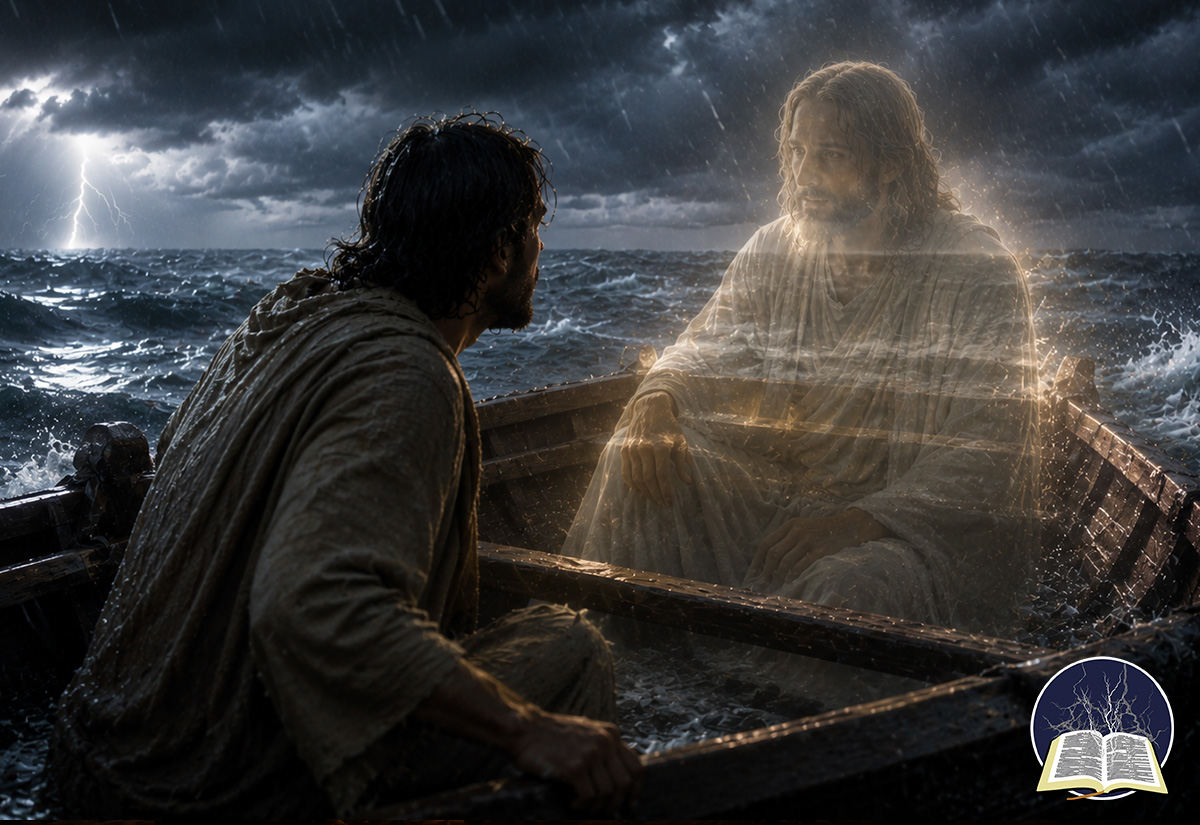
Grace doesn’t always remove the storm. Often, grace means God will be with us in the storm.
The Greatest Gift
Many people seek God’s blessings while overlooking the value of his presence. If we’re not careful, we might find ourselves worshiping the gift more than the giver—and that’s idolatry. Throughout Scripture, God’s greatest promise isn’t prosperity, success, or comfort. His greatest promise is his presence.
We should know that having the Great Giver of Good with us all the time is better than anything else.
If grace is merely favor, then we might spend our lives seeking gifts. If grace is God with us, then we discover the Giver is the greatest gift of all. Our hope is that God walks beside us, strengthens us, guides us, comforts us, and ultimately brings us home.
That is grace.
God with us.
This perspective also creates an interesting connection between grace and the Kingdom of God. The Kingdom is more than a place where his people live. The Kingdom is the realm where God’s presence is fully experienced. From Eden, to the Tabernacle, to Christ, to the indwelling Spirit, to the New Jerusalem, the Bible’s story can be viewed as one continuous theme: God building his presence among his people.
Salvation by Grace
Christians agree that salvation is by God’s grace, but they differ significantly on how grace works, how it is received, and whether it can be resisted or lost. Here are some of the most influential perspectives:
1. Reformed (Calvinist) View: Grace is sovereign and irresistible for those God has chosen. Humanity is spiritually dead and unable to come to God on its own. God elects certain people for salvation. The Holy Spirit calls the elect, and they will respond in faith. Saving grace can’t ultimately fail.
2. Arminian View: Grace enables everyone to respond, but we’re not robots. We have a choice. People can resist it. God wants everyone to be saved. Grace provides that opportunity for anyone to believe.
3. Wesleyan/Holiness View: Grace not only saves but transforms believers toward holiness, sharing the Arminian beliefs about grace. Emphasis is on sanctifying grace after conversion. Believers can grow into a mature, wholehearted love for God and people.
4. Roman Catholic View: Grace is God’s supernatural life imparted to believers and ordinarily received through faith and the sacraments. Salvation begins entirely by God’s grace. Grace is infused into the believer, transforming the soul. Faith, hope, love, and obedience cooperate with grace. The sacraments are important channels through which grace is conveyed.
5. Eastern Orthodox View: Grace is participation in the life of God, leading to becoming like Christ. Salvation is viewed more as healing than legal acquittal. Grace is God’s active presence working within believers. Humans cooperate with grace (synergy). The goal is transformation into Christlikeness and communion with God.
What Matters
Most disagreements about grace come from different viewpoints about human freedom and God’s sovereignty. Everyone agrees that salvation begins with God’s initiative. The major question is: Does God’s grace determine the response, or does God’s grace enable the response?
Grace is much more than a doctrine explaining how we enter the Kingdom. It’s the reality of God’s presence. As Moses essentially said, If God doesn’t go with us, nothing else matters. That may be one of the most practical definitions of grace in all of Scripture.
So let’s set aside all the theological arguments about what and how, and embrace the reality. What others think doesn’t matter. God is present, seeing everything you do and even knowing your thoughts. What do your actions say about whether your desire is to love him and want his ways, or whether you’d rather have your own way?
The choice is yours. And it is a matter of life and death.
For many more open-ended discussion questions for almost every verse in the Bible, check out The Discussion Bible