
A novel is a living breathing organism. It has the power to entertain, shape, and inspire lives, but a Christian novel does even more. It’s a seed planter to grow believers into the kingdom of God. — DiAnn Mills
Aspiring writers often look for ways to improve their craft—through workshops, books, and mentors. But for Christian writers, there’s a deeper calling: to write with God’s voice as the ultimate guide. Just as in our spiritual walk, hearing him clearly in our writing requires an intentional, ongoing choice.
Voice Above All Others
At the core of both salvation and Spirit-led writing is valuing God’s voice above all others. In the writing world, you’ll hear many voices—critics, fans, industry trends, even your own inner doubts or ambitions. These can easily become louder than God’s still, steady direction.
If you only listen for confirmation of what you already want to write, you risk missing the fresh, powerful stories he may be prompting you to tell. Before you write, take a quiet moment to ask, “Lord, what do you want me to say today?” Then, be open to the possibility that his answer may differ from your plan.
Competing “Voices
Scripture shows that everyone can hear God, but distractions, competing priorities, and a hardened heart can dull our perception. These “voices” might include:
- Market pressure — “Write what sells, not what matters.”
- Comparison — “You’re not as good as that best-selling author.”
- Self-promotion obsession — “Your platform is more important than your message.”
These influences aren’t always bad in themselves, but they can push us away from God’s direction if they dominate our thinking.
Learning to Hear God’s Voice
Hearing God clearly is a skill that develops over time. The more we know his character, the better we can distinguish his truth from our own desires. As we come near to God, he will come near to us (James 4:8). This applies to writing as much as any other part of life.
Practical Application for Writers:
- Keep a prayer journal alongside your writing notes. Record what you believe God is saying about your work.
- Revisit past entries. You may notice patterns or repeated themes.
- Compare your ideas with Scripture to be sure they align with his truth.
Just as you learn a friend’s voice by spending time together, you’ll learn God’s voice through consistent prayer, Bible reading, and a willingness to obey—even when it’s inconvenient.
Seeking Truth, Not Just Confirmation
True listening means seeking God’s truth, not just validation for what we already want to write. Isaiah 55:8 reminds us that God’s thoughts are much better than ours. If we write only what feels safe or familiar, we may miss the full impact he intends.
Jonah had a message from God but didn’t want to deliver it to Nineveh (Jonah 1). His reluctance delayed obedience and almost derailed his mission. Writers can fall into the same trap when they avoid topics that challenge them or their readers.
Jonah had a message from God but didn’t want to deliver it to Nineveh (Jonah 1). His reluctance delayed obedience and almost derailed his mission. Writers can fall into the same trap when they avoid topics that challenge them or their readers.
The Joy of Writing
Hearing God is not just about direction. It’s about relationship. Even in challenging seasons, joy can be found in walking closely with him.
For writers, joy might come in:
- A breakthrough in your manuscript after weeks of struggle.
- Reader feedback that your words brought comfort or clarity.
- The quiet satisfaction of knowing you wrote what God put on your heart, even if it’s a seldom-read newsletter or blog.
Your calling as a writer isn’t measured by how fast you produce work or how much recognition you get. No, it’s measured by how faithfully you steward the words that God gives you.
Your Choice
Free will means we can choose to write our way, but when we continually choose God’s way, our work becomes a channel for his message. This choice is renewed every day on the next blank page. If you want your writing to carry eternal weight, keep making the choice to listen, follow, and create under the guidance of the One whose words never fail.
You will hear a voice behind you, saying, “This is the way to go. Walk in that direction,” and you will turn to the right or left as you are led. — Isaiah 30:21 The Discussion Bible
Choosing to Hear
Do you want to hear God when you sit down to write?
Not just morning or evening—but into the night?
His voice isn’t hidden. It’s steady and clear.
But you must make the choice to truly hear.
There are so many voices that clamor and shout.
Some whisper within, and some chatter without.
The market says “this,” and your ego says “that,”
But God says, “Write truth, wherever you’re at.”
You can write what you want and ignore what is true,
Or you can write what the Lord is speaking to you.
The choice is your own. He won’t force your hand.
But the world needs his message if it is to stand.
It’s a process, dear writer, to know what to say.
You’ll hear him more clearly with practice each day.
Like tuning a far-off station that crackles at first,
You’ll catch every word when your heart has the thirst.
Don’t chase after the great plan in your head.
Instead, seek his truth for the path you will tread.
God’s thoughts are higher than yours … far above,
And they’re wrapped in compassion, justice, and love.
So keep writing each line as you lean upon him,
And he’ll shape every story to more than a whim.
Through the struggles and joy, his voice will be clear—
Every day for the writer who chooses to hear.
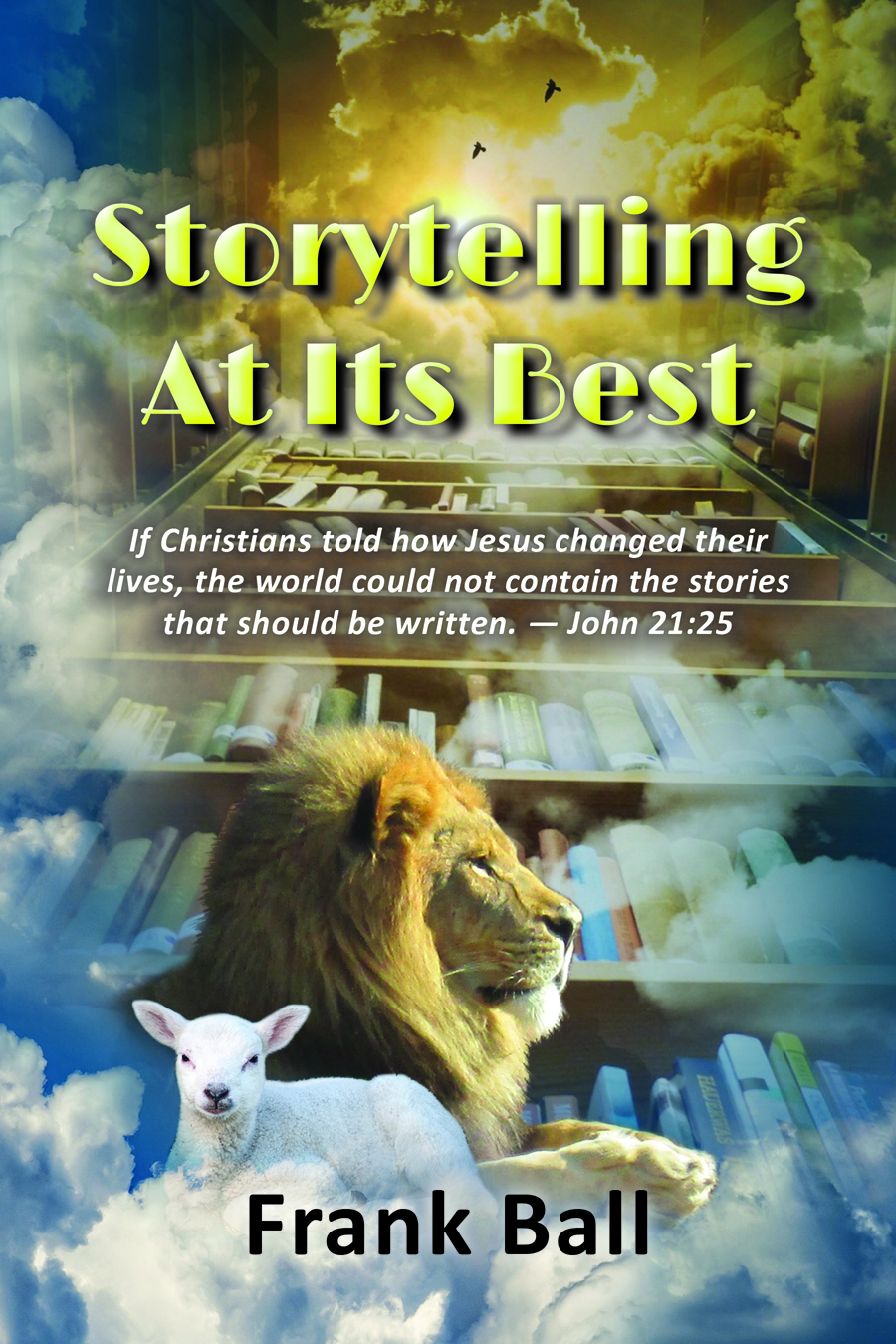
For a practical guide to storytelling, check out Storytelling at Its Best