
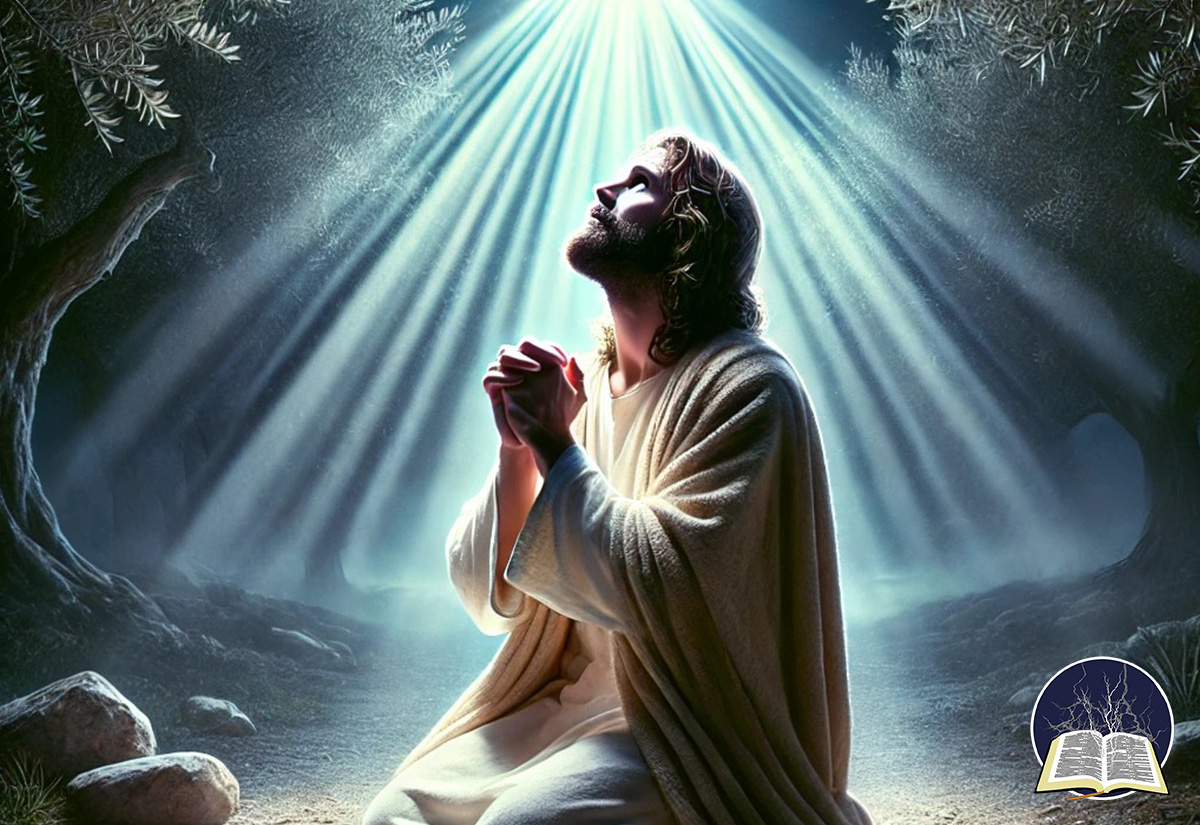
Matthew 26:36–46; Mark 14:32–42; Luke 22:39–46
In Gethsemane, what did the messenger from Heaven do to strengthen Jesus? Why was Jesus so passionate in his prayer?
We pray when we have a need. The more desperate the need, the more passionate our prayers are. As the Son of God, Jesus controlled the weather, walked on water, and raised the dead. Given Jesus’ seemingly unlimited power, we might think he had no need for serious prayer. But if we think that, we could not be more wrong. Throughout his ministry, he customarily isolated himself to pray.
On the night after celebrating Passover with his disciples, Jesus prayed with greater desperation than ever before. His wrestling in prayer gives us a crucial path to follow in our most desperate times. Let’s look at what those needs were.
An Hour for a Simple Prayer
Can you imagine spending an hour praying, “Let your will be done, not mine”? Even the lengthy liturgical synagogue prayers from the Psalms didn’t last more than twenty minutes. Why would Jesus have taken so long? We don’t have all his words, and much of his prayer may have been without words—from the emotional part of his being where no words were adequate. Of one thing we may be certain: a simple prayer is not necessarily a short prayer.
I’ve never needed very long to tell God what I wanted. But for me to surrender to what God wants might take hours—or even years. Jesus’ lengthy prayer in Gethsemane was all about surrender. Simple, perhaps. Definitely not easy. An intense struggle that is difficult to imagine, but we should try.
Need for Three Periods of Prayer, Not Just One
As if God doesn’t hear us the first time, some people think we need to shout longer and harder to get his attention. Jesus advised against repetitious prayer.
Since our Bibles quote Jesus saying basically the same thing in all three prayers, we might think he wasn’t getting the answer he wanted and needed to repeat himself. No, he may have prayed similar words, but the purpose and passion behind the words escalated with each successive time of prayer. Jesus wasn’t trying to change God’s will. He was aligning his human and emotional desires to his Father’s will, a process that required more than a short, simple prayer. In his humanity, he needed time and spiritual support to move from anguish to acceptance.
We face the same challenge as we move from our desires to accepting God’s will for our lives.
Strength from an Angel
We might guess that Jesus’ first anguish was physical, the area that Satan first attacked in the three temptations, when he suggested making bread out of stones. At least three times before the Last Supper, Jesus told his disciples that he would be mocked, flogged, and crucified. They didn’t understand what he was saying. Jesus understood his destiny quite well, saying he would sacrifice his life and take it back again. Knowing his destiny wasn’t enough to overcome his anticipation of the excruciating pain his body was about to face. If anything, that foreknowledge intensified the feeling.
Yes, Jesus knew he would face ridicule, taunting, and all the beating that a human body could withstand. Could his physical being survive that?
In the first period of prayer, an angel came to strengthen him. What exactly did the angel say or do? Scripture doesn’t say, but I think the angel must have come from the Father with what was most needed, as the Greek word would indicate: to invigorate, empower, and strengthen Jesus inwardly.
More Passionate Prayer
After being strengthened by an angel, Jesus said to his sleeping disciples, “The spirit is willing, but the flesh is weak.” After encouraging them to also pray so they “would not fall into temptation,” he went back to pray some more. His continuing need to pray should tell us how significant his battle with the flesh really was. Fully aware of the painful, sleepless day ahead, the physical side of his being had not yet fully surrendered.
How long did he pray this time? Perhaps this was part of the hour that Jesus mentioned before. Maybe it was another thirty minutes. We don’t know. What we do know is that his thoughts were interrupted with concern for his disciples, still asleep. He awakened them for the second time. They really needed to pray so they wouldn’t fall into temptation, and Jesus couldn’t do their praying for them.
The Third Prayer
We need to remember that Jesus wasn’t wrestling with the Father to get his way, hoping the third time would be the charm. The apostle Paul had a similar struggle with his “thorn in the flesh,” a messenger from Satan. Paul often wrote about his inner struggles, a battle to submit his flesh to the direction of God’s Spirit within. We can be sure Jesus’ battle was even more intense.
Between our flesh and spirit, we have the emotional part of our nature that is naturally inclined to favor the physical, not the spiritual. With Jesus, those emotions must have begun with uncontrollable tears until his whole being erupted with unrestrained surrender, sweat dripping from his brow as if his life blood was being poured out.
Finally, his surrender was complete. He could now joyfully endure the pain of crucifixion (Hebrews 12:2). While the cross was where Jesus physically finished his work on Earth, Gethsemane was where his whole being—body, emotion, and spirit—surrendered to the torture and crucifixion that lay ahead, a price that must be paid so we could follow a similar path of surrender and live eternally with him.
“My Father, if you are willing, let me escape this suffering. Nevertheless, I want your will, not mine.” An angel from Heaven appeared and strengthened him. In extreme agony, Jesus prayed more earnestly. His sweat was like drops of blood falling to the ground. — Luke 22:42–44 The Discussion Bible
For many more open-ended discussion questions for almost every verse in the Bible, check out The Discussion Bible