
Doing business without advertising is like winking at a girl in the dark. You know what you are doing, but nobody else does. — Stuart Henderson Britt
You don’t need a celebrity selfie to sell books … but it sure helps. Most books never get read cover-to-cover. Want yours to be the exception? I’m sharing what the people in the publishing world won’t tell you.
The High Cost of Quality
A hundred years ago, few people had the education or experience needed to become skilled writers or editors. But technology has changed the landscape. Today, anyone can write and publish a book. Anyone can build a website claiming to be a writer, editor, coach, publicist, or publisher.
Just as every ladder has both a top and a bottom rung, the range of skill levels is vast. Some professionals are truly gifted, while others may be more like the blind leading the blind. The challenge? It’s not easy to tell the difference. Scammers are often highly skilled at looking credible. Meanwhile, the truly skilled are usually too busy to worry about appearances. They’re already swamped with work.
I wish I could say you always get what you pay for. Unfortunately, that’s not the case. I’ve had clients who paid top dollar for “professional” editing, only to bring me a manuscript that still needed serious repair. Here’s my advice: send the same ten-page sample to five different editors and pay each one to improve it. That gives you a clear basis for comparison—so you can make a more-informed decision about quality and value.
As for me, I prefer not to say much about my own skills. Compared to other Roaring Lambs editors, my rates are higher—and apparently, I’m still not high enough. I’m consistently booked beyond capacity and continue praying for time to finish my own writing projects. If you’re curious, you can view my Editing & Ghostwriting rates here. My work is billed through Roaring Lambs, and they handle the payments.
What Most Authors Don’t Understand About Book Sales
Here’s what many aspiring authors overlook: Celebrity sells books. Content alone doesn’t. If you want to sell books, you need a platform. That means building a focused publicity and marketing system aimed at a specific audience. Unfortunately, most authors don’t have one, and hiring someone to build it for you can be outrageously expensive.
No publisher, whether traditional or custom, will market your book for you. Their job is to produce and distribute your book, not to create demand. You’ll get an Amazon listing and perhaps space in a publisher’s catalog that makes it available to bookstores. There’s no guarantee that it will ever appear on a chain bookstore shelf.
Authors who are pastors, speakers, or influencers often succeed in book sales because they already have an audience. But even then, big sales don’t always lead to big transformation. Selling books is one thing. Changing lives is an entirely different matter.
The 80 Percent Problem: Why Most Books Go Unread
Surveys suggest that 80 percent of purchased books are never read cover-to-cover. Why? Because after the book has been purchased, the publicity no longer matters to the reader. The content must deliver exceptional value.
The only books that readers actually finish are those that are rewarding from the first page to the last. Most authors struggle to reach that level of engagement without substantial editing, rewriting, or ghostwriting—which often comes at a high cost. Sometimes, the ministry impact may justify the investment, but financial return from book sales rarely does.
The harsh truth? Less than one-tenth of one percent of published books become true success stories. The ones you hear about are rare exceptions, not the rule.
Why Mentoring Matters More Than Ever
The challenge isn’t just getting the story told. It’s getting it told well. The truth is: You can’t depend on others to get your message right. Editors, beta readers, and even professionals can help polish and refine, but they can’t always capture your voice, your vision, or the heart behind your message. That’s the author, and it takes more than talent. It takes training.
Mentoring bridges the gap between raw passion and lasting impact. Good mentoring doesn’t just correct grammar or suggest plot changes. They help you grow in your craft. They teach you how to think like a storyteller, how to self-edit, and how to spot what’s works and what doesn’t. Most importantly, they help you develop the skills to engage your reader deeply and consistently. Captivating writing doesn’t happen by accident. It happens by learning the right tools, applying the right techniques, and practicing over months, even years.
Many writers assume that an editor will “fix everything” or that readers will overlook clunky writing if the idea is strong. But today’s readers are overloaded with choices, and they won’t finish a book that doesn’t hold their attention.
Mentoring empowers you to own your story, master the craft, and write with clarity, purpose, and power. If you want your message to make a difference, you can’t afford to leave your development to chance.
Let’s be honest: the writing style most of us learned in school? It doesn’t work anymore.
Today’s readers expect vivid imagery, emotional depth, and cinematic clarity. Learning to write with that kind of impact takes time. Some pick it up quickly. Others take longer. But with the right guidance and consistent mentoring, you can reach a place where your manuscript requires only light editing and proofreading—not major rewrites.
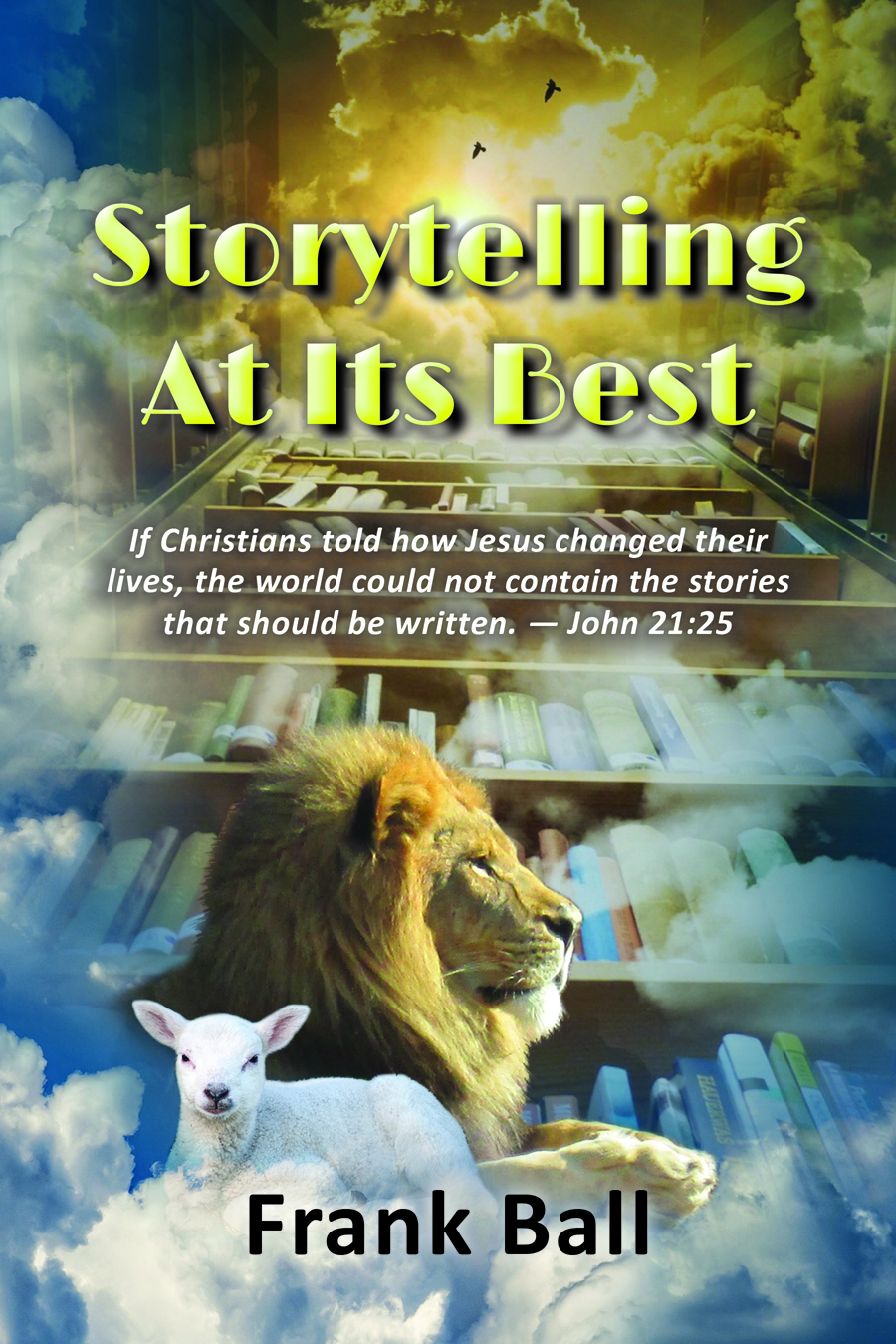
If you haven’t read my book, Storytelling at Its Best, you probably should. It’s become a key reference for many of my mentoring students.
The Harsh Reality of Traditional Publishing
Amazon lists around thirty 30 million book titles, and that number is growing by another million every year. Of those, only about 10 percent come from traditional publishers—and most of those are written by celebrities or public figures with built-in audiences. Publishers don’t necessarily choose the best authors, either. They choose authors who already have a platform and can virtually guarantee highly profitable sales.
Even among traditionally published books, only about 5 percent ever make it onto the shelves of major chain bookstores. If those books don’t sell quickly, typically within ninety days, they’re pulled and returned to the publisher.
In practical terms, fewer than half of one percent of new book titles will ever appear in a brick-and-mortar bookstore. Even then, their time on the shelf is brief.
You can’t depend on the industry to create your momentum. You must create your own demand.
Real Success Has Nothing to Do with Sales
Here’s the good news: God doesn’t measure success by sales figures, royalty checks, or bestseller lists. What matters to him are the hearts that are truly transformed by your message—even if it’s only a few. That’s the eternal reward, the one that comes after this life is over.
If all we gain is earthly recognition, we’ve missed the deeper purpose. We’re called to be faithful messengers, not fame seekers. Our responsibility is to share what God has given to us, trusting that even if only a few hear and respond, it’s still worth all the time and money that we choose to invest.
Books that Few People Read
I wrote a grand book full of passion and plot,
But it gathered dust because most people forgot.
The cover was pretty. The font was just right.
But no one wanted to read, neither day nor night.
I shouted, “It’s brilliant.” I wrote with such flair,
But the silence replied, “Sorry, nobody cares.”
I winked at the dark, still hopeful like most,
But a book without readers is much like a ghost.
“You need a big platform,” the publishers said.
We want celebrities whose names are widely spread.”
“But I’m not that famous,” I cried in dismay.
“Then good luck with sales.” They all walked away.
The truth is quite harsh, but it needs to be said.
Most published books are only partially read.
Bought by the millions, they’re seldom discussed.
All that hope for success is just gathering dust.
“But my story is strong,” I said once more.
“That’s great,” my mentor said, “but here’s what’s in store:
If you want it to sparkle, to dazzle and shine,
You must craft every word, every paragraph and line.”
“The writing you learned in your school days of old
Will miss modern readers, putting them all on hold.
They’ll skim the pages, missing much of the content,
So you must speak to their hearts with strong intent.”
“What should I do?” I said with a shout.
“You will learn,” my mentor said, “what writing’s about.
It takes more than passion. It takes skill and grace—
Lots of time and good coaching and finding your pace.”
“Most writers think an editor will fix it all.
But patchwork won’t save what is destined to fall.
You must craft every story to breathe life from the start,
With a rhythm that grips readers like the beat of a heart.”
“But it costs so much to get the words right,” I said.
“Are you saying I have no choice if I want to be read?”
I was told to invest with intention and care.
Writing something lasting was truly rare.
“And what of success?” I asked, eyes aglow.
“Will I make a big splash? Will the royalties flow?”
My mentor just smiled, saying, “Success isn’t fame.
It’s the soul that is touched after seeing your name.”
God doesn’t care for the sales or the charts,
He wants books that satisfy the hungry hearts.
If one life is changed by the truth that you send,
That’s glory eternal. That’s winning, my friend.
So sharpen your pencils and rework every line.
Keep studying and stumbling, but learning over time.
Maybe your book won’t be sold coast-to-coast,
But it might be read by the one who needs it most.
For a practical guide to storytelling, check out Storytelling at Its Best