
The magic of story is that it allows us to vicariously experience the emotion of the tale and feel it so deeply that it helps us to navigate our own issues. — Jeff Gerke
Aspiring writers often focus on technique—grammar, structure, vocabulary, and style. While those skills matter, they are not what gives writing its power. What moves a reader, what lingers after the final sentence, and what transforms words into truth is emotion.
Understanding emotion—both in yourself and in your writing—can change everything.
What Truly Matters
Emotion rarely asks permission. It rises suddenly and subconsciously, triggered by a thought, a memory, a loss, or a victory. In those moments, emotion exposes something profound: what we truly value.
You may believe a certain topic matters deeply to you—until it leaves you unmoved. Meanwhile, a small memory, a passing comment, or an unexpected event can stir strong feelings. That reaction is a revelation. It tells you where meaning actually lives.
Jesus pointed to this truth when he said, “Wherever your treasure is, there your heart will be also.” Emotion is our heart’s compass. Pay attention to it, and it will guide you toward the stories, themes, and truths you are meant to write.
Logic Versus Emotion
Logic helps us evaluate options.
Emotion moves us to choose.
Writers logically understand that they should write. But without emotional engagement, those efforts are often disappointing. Writing stalls, not because of a lack of intelligence, but because the heart is disconnected.
Think of logic as a map and emotion as the engine. A map can show the way, but it won’t move the vehicle. Emotion supplies momentum. That’s why writing that is technically flawless but emotionally empty feels lifeless, while imperfect writing filled with genuine emotion often resonates deeply.
Emotional Masks
As people mature, many learn to manage—or hide—their emotions. Sometimes this is called self-control, but often it becomes something else: a mask of deception, or imposter syndrome.
Writers are especially vulnerable here. We learn how to sound confident, wise, or composed—even when the inner world tells a different story. Over time, this gap between inner reality and outward expression creates hypocrisy, not necessarily intentional deceit, but a fractured self.
Suppressed emotion doesn’t disappear. It leaks through bitterness, withdrawal, sarcasm, or explosive anger. In writing, this shows up as stiffness, abstraction, or emotional avoidance. The page becomes guarded because the heart is guarded.
Emotional Breakthrough
No matter how carefully emotions are restrained, deep values always surface. They emerge in moments of great loss or overwhelming joy. A championship win, a funeral, a betrayal, a breakthrough—these moments bypass our logic filters.
Emotional eruptions often produce the most honest and compelling work. They remind us that emotion doesn’t need to be manufactured. It needs to be acknowledged. Even quiet emotional expressions matter. Silence, distance, coldness, or hesitation all communicate something real. Good writing learns to recognize these subtle signals and translate them into language.
Authentic Writing
Emotion is closely tied to the spirit. This is why worship, prayer, and Scripture often stir strong feelings—and why suppressing emotion can weaken intimacy with God. Emotional health begins with honesty. Not every feeling is right, but every feeling is revealing. God invites us to bring our emotional responses to him, not to hide them.
As we grow in relationship with the Lord, something remarkable happens: Self-acceptance replaces self-protection. When pleasing God becomes the primary goal, the need to perform or impress fades. This freedom allows emotion to flow appropriately—neither suppressed nor uncontrolled. Writing becomes an act of truth rather than image management. Joy deepens. Peace steadies the process. Even difficult topics carry hope.
No Fear
Do not fear your emotions. They aren’t obstacles to good writing. They are the doorway. Listen to them. Bring them before God. Let him refine your values rather than conceal your feelings.
When emotion and truth walk together, your writing will not merely inform. It will convict, comfort, and inspire. And in that space, both the writer and the reader are engaged.
The Lord is sensitive to the needs of the brokenhearted and will rescue those whose hearts are crushed. — Psalm 34:18
Write from the Heart
Emotion pops up like a frog leaping from a log,
From a thought or a feeling or brain-wiggled cog.
Unannounced, it jumps in with a wiggle and sway,
And whispers, “Hey friend, this matters today.”
You thought you loved trophies all shiny and tall,
You’ve lost one? Maybe no tears. No sniffle at all.
Yet small but important—a note, smile, or hug—
Whoa. Emotion is there—that heartfelt tug.
Emotion says, “Look, here’s the truth, plain and clear—
Not what you said matters, but it’s what you hold dear.”
Emotion opens the curtains, turns on the bright light
To reveal who you are—during the day and the night.
Logic says, “Hmm … let’s weigh this just right,”
Listing pros and cons until it’s dizzy with might.
Emotion says, “Choose what feels right. Give it a shove,
For our choices come from feelings of fear or of love.
Without emotion, you stall like a pen with no ink.
You blink in reaction, but you never quite think.
Emotion’s the spark that says, “Go. Start. Begin”—
The push that says yes when logic is asking when.
As we grow, we’re told, “Now be quiet. Be cool.”
Big writers don’t cry. That’s the hard and fast rule.”
We button emotions and tuck them away,
Trying to mask our faces for much of the day.
But masks get itchy and uncomfortably tight.
They slip on our faces and crack in the light.
For hearts have a habit—both sneaky and bold—
Of bursting through what we thought we controlled.
Some shout out in laughter. Some shout out in pain.
Some freeze into silence like snow in the rain.
Cold shoulders can speak just as loud as a yell.
Emotion reveals truth … Oh, it always will tell.
God says, “Bring it here—all the joy and the ache.
Don’t muffle it, muscle it, or think to make it opaque.
I’m neither shocked by anger, nor scared of your tears—
I’ve been here beside you for all of these years.”
So pour out your heart like a bucket of paint,
Messy and honest—both sinner and saint.
Let God rearrange what you value and see.
Soon you’ll write freely as only you can be.
When pleasing the Lord is your truest delight,
The page feels less heavy and words feel right.
Joy bubbles like ink. Peace steadies your hand.
And stories grow roots in a soul that can stand.
So write with your heart. Don’t lock words away.
Let feelings go marching in joyful display.
For when truth and emotion go skipping as one,
The writing feels living … and life feels more fun.
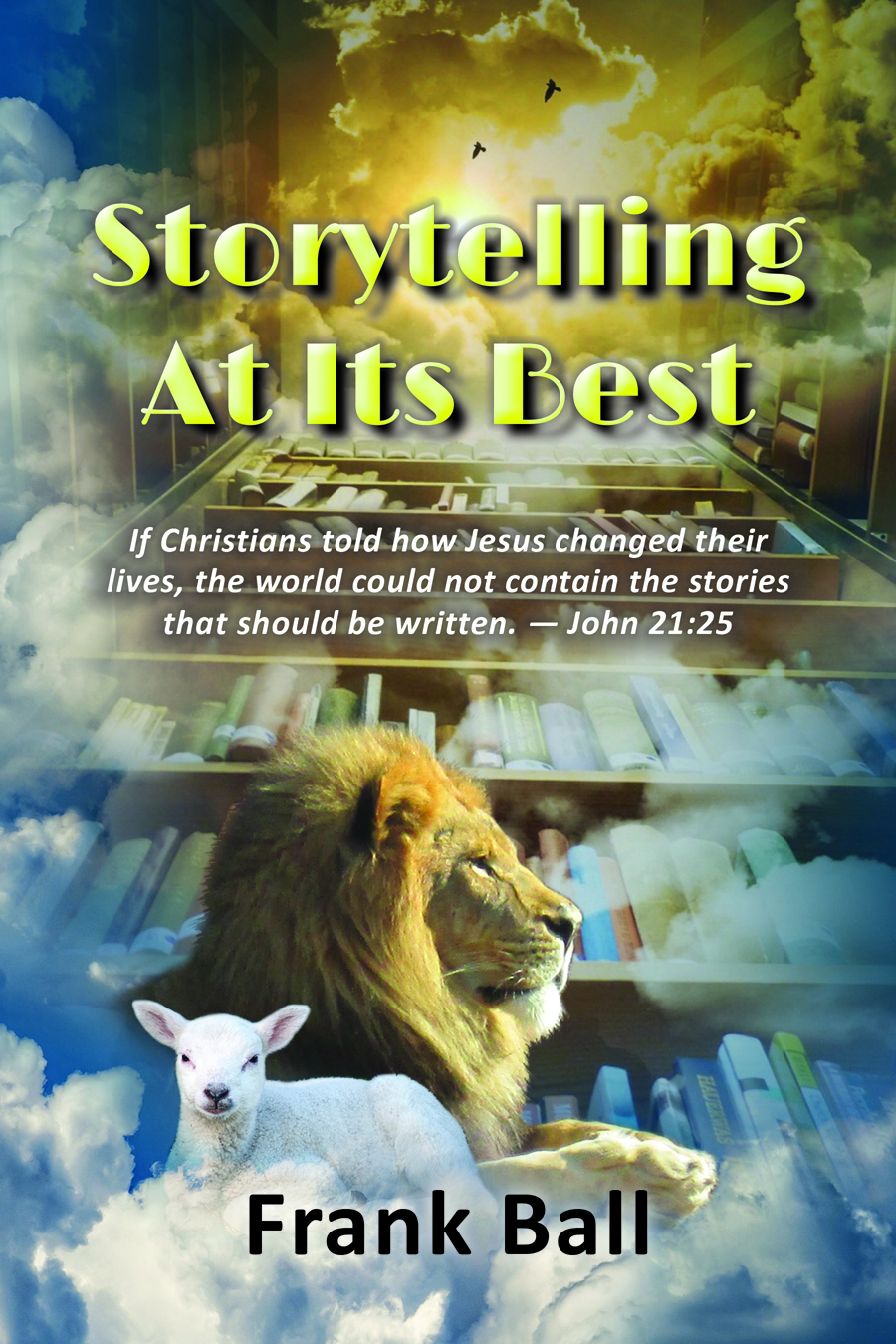
For a practical guide to storytelling, check out Storytelling at Its Best