
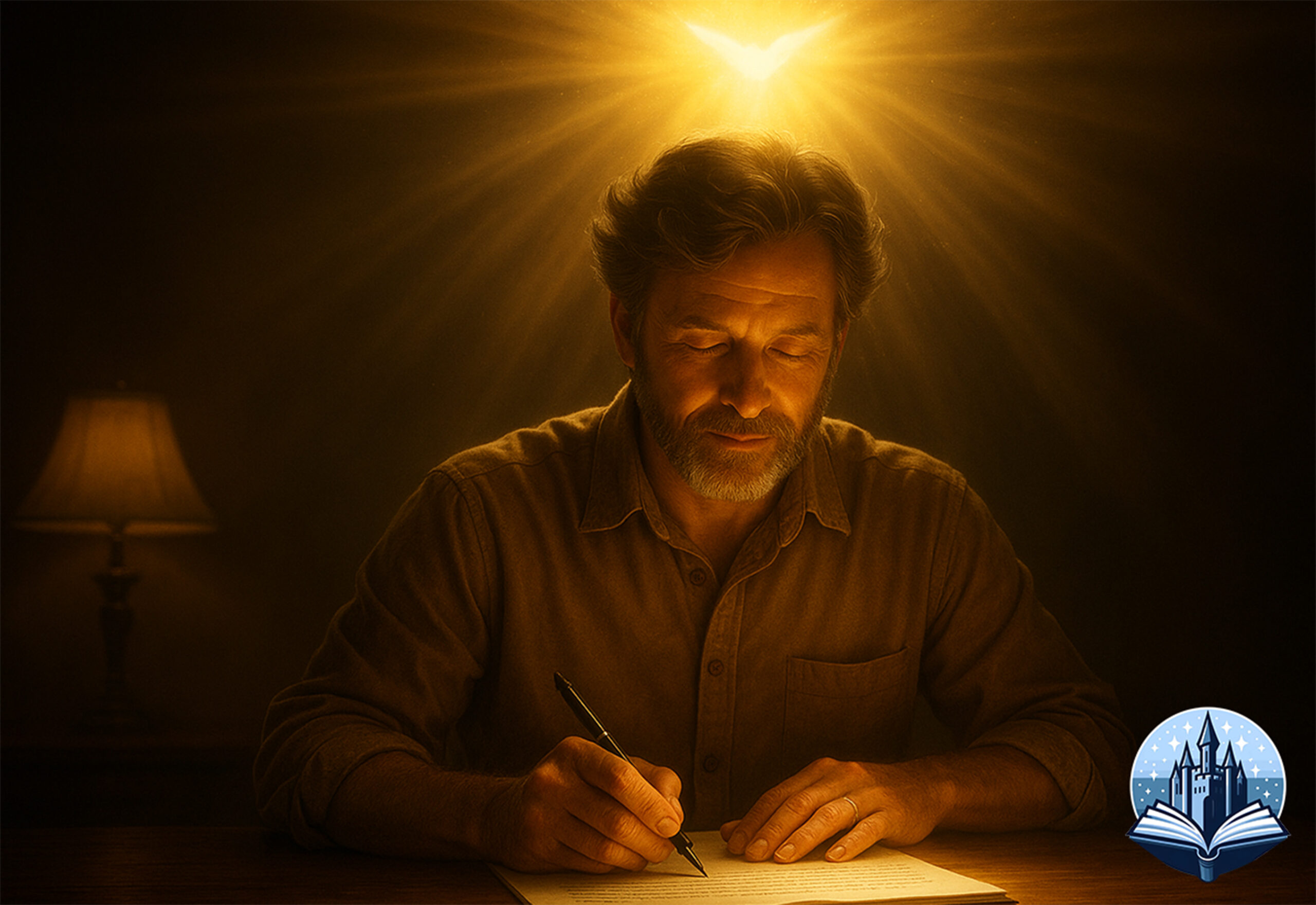
Rejection is not failure—it is direction. We take a moment to feel the sting … then we return to the calling that first stirred our hearts. — Edie Melson
The hardest part of writing might seem to be starting, but often, it’s continuing. The blank page may intimidate us, but it’s the long, uncertain journey between the first word and the final draft that truly tests our faith. Perseverance means pressing forward even when the path ahead isn’t clear.
Maybe you’ve forced a story that wasn’t ready, or you’ve tried to publish before the message was mature. Yet every detour reminds us that God’s timing is his design, not a needless delay. Waiting on him is often how he strengthens both our character and our craft.
When to Wait and When to Write
Perseverance doesn’t always mean typing faster or pushing harder. Sometimes, it means pausing—waiting for clarity, refinement, or direction. The same Spirit who stirs our creativity may also whisper, “Not yet.” But when God says, “Go,” we must go—even if we can’t see the whole road ahead.
Writing requires some walking by faith. You may not know what the next chapter holds, but you keep moving, one paragraph, one prayer, one act of obedience at a time. If you wait until you “feel ready,” you may never begin, let alone finish. God requires participation, not perfection. Perseverance says, “I’ll write today with what I have—trusting God to help me in the process.”
The Two Hands of Perseverance
- Surrender keeps us humble—willing to let go of our agenda.
- Movement keeps us faithful—willing to follow where God leads.
Both are necessary. A stubborn writer insists on his own way, forcing the outcome. A surrendered writer trusts God to shape the message, the timing, and even the audience. We must persevere, not for our personal success, but for God’s glory.
The Writer’s Lifeline
Writing can make us feel lonely, but perseverance doesn’t have to be a solo act. It’s best powered by prayer—the ongoing conversation that keeps us aligned with God’s heart. Before you write a word, pray. When you’re stuck, pray. When you’re finished, pray again.
Prayer keeps us connected to the Source of inspiration and truth. Without it, we risk mistaking our voice for God’s. With it, we sense his direction—guiding our tone, pacing, and purpose.
Our Part and God’s Part
Every creative pursuit begins with desire—which is that spark to express something true. But desire alone won’t sustain us through drafts, edits, and rejections. We supply the desire, and we rely upon God to supply the strength and stamina.
When we delight in the Lord, our desires become aligned with his—and our writing begins to carry eternal weight. God doesn’t simply give us what we want. He shapes what we want to match his will. Perseverance, then, is trusting deeper, not just grinding harder.
Step-by-Step Instructions
People are often tempted to skip instructions. You open a box that says, Some Assembly Required, and think, I’ve got this. Ten minutes later, you’re holding three extra screws and wondering what went wrong. God’s Word is the instruction manual for both life and creativity. Perseverance means following his directions one step at a time—not rushing to reach the end but trusting that he knows how all the pieces fit.
Step by step, page by page, obedience builds the story he intends for us to write.
Complacency
Our greatest enemy might be rejection or fatigue, but more likely, it’s complacency. When we stop caring deeply about what God has called us to do, we lose the fire to persevere. Sometimes the cure for complacency is simple: Start again. Open your Bible. Open your notebook. Open your heart. The act of writing—even one paragraph—can rekindle the flame.
Perseverance plants the seed. God brings the harvest.
Just Do It
At some point, perseverance comes down to one simple truth: Just do it. Not out of impulse, but out of faith. Not because it’s easy, but because it’s right.
When God gives you a story, a message, or a calling, the only way to honor him is to do the work. The first step is obedience. The next is endurance. Keep pressing on. Keep writing. Keep trusting. The One who called you to write is also the One who will finish the work he began in you.
For a practical guide to storytelling, check out Storytelling at Its Best