
There’s always a new edge, a new skill you can almost—but not quite—do on your own. And that’s the best part of writing. There’s no finish line, only the next sweet spot where growth lives: just far enough to stretch you, but close enough to reach … with a little help. — Jenny Hansen
“Just trust God” sounds simple enough—until you’re staring at a blinking cursor, a rejection letter, or a manuscript that refuses to cooperate. We can believe God has a plan for our lives, but can we believe he’s guiding our creative journey, even in the silence?
Faith doesn’t mean pretending the struggle isn’t real. It means refusing to let fear become our editor. When we can’t see how to make a story work, we trust the Author who already has the right plot, characterization, and ending in mind.
Our Silent Enemy
Doubt will whisper to our minds: What if this isn’t good enough? What if I misunderstood my calling? What if no one cares? We might question God’s involvement: If he really called me to write, why is this so hard? Doubt is the fear that God can’t or won’t show up. We want to see proof, but that’s not the way trust works. Instead of worrying about results, we must focus on effort and leave the outcome to God—who habitually does miracles.
Trust is not resignation. It’s liberation. Why? After we place the outcome is in God’s hands, creativity can breathe again.
God’s Work Takes Time
Every good story involves conflict, delay, and transformation—and so does your personal story. God’s timing, like his storytelling, is deliberate. He weaves together countless threads—your growth, your readers’ needs, your influence, and your obedience—until the right moment arrives.
We can always trust God to be true to his nature. He knows all things and works all things for good, even the chapters that feel unfinished. We are often tempted to rush the process—to publish before we’re finished, to compare our progress to others, or to panic when the next plot twist feels wrong. But patience is a virtue. The delay might be divine editing of our lives.
God is preparing his messengers as well as the messages. Over this often-painful and always time-consuming process, he is refining our voices, deepening our empathy, and shaping our understanding of truth.
If your story feels stuck, be patient and see what God might be developing in you.
Standing on the Promises
God never fails, but sometimes we step out of alignment. We might ignore an editor’s notes and resist correction—until we come to our senses and realize that our story doesn’t make sense. That’s when God’s loving discipline redirects us toward his purpose.
Obedience doesn’t stifle creativity. It strengthens it. The more we align our will with his, the more of his power will flow through our words. When we resist, he may allow failure or frustration—not as punishment, but as guidance. Every closed door is an invitation to reexamine our motives and our commitment.
We can trust God to be faithful to his part. The question is whether we will be faithful to our part. Standing on God’s promises means we depend on his guidance and refuse to quit.
Daily Surrender
Trust is a lifestyle, not just a one-time decision. Each day, writers face small crossroads: Will I write even when inspiration feels distant? Will I trust God’s voice over my inner critic? Will I create for his pleasure, not human applause? This daily surrender mirrors the apostle Paul’s words: “I die daily” (1 Corinthians 15:31).
Sometimes trust means deleting entire chapters and starting fresh. At other times, it might mean submitting work you fear isn’t ready—and trusting God to use it anyway.
Writing, like faith, is less about control and more about cooperation with the Spirit.
No Accidents in the Author’s Plan
Every detour, delay, and even our mistakes can be an important part of God’s process, taking us from where we are to where he wants us to be. Joseph’s years in prison weren’t wasted time. They were training for leadership. Likewise, our seasons of obscurity are preparation, not punishment.
You may think a blog post flopped, a book failed, or a door closed unfairly—but God may be using those moments to redirect your audience, strengthen your message, or deepen your dependence on him. When you live with that awareness, frustration turns into curiosity. You stop asking, “Why, Lord?” and start asking, “What do you want to accomplish through this?”
Writing from Intimacy, Not Anxiety
Trust flourishes in relationship. Even Jesus withdrew from the crowds to pray (Luke 5:16). If he needed that to maintain his relationship with the Father, we can be sure we need those times of intimacy with the Lord.
That’s right. Writers need quiet communion with the Creator, the Supreme Author of creativity. Prayer isn’t a distraction from writing. It’ the ink of inspiration. When we spend time with God, our words become aligned with his heart. Peace returns. Clarity comes. His Spirit breathes fresh language into tired ideas.
When your heart is at rest, your words carry authority—because they come from a place of trust.
Above all, know that true inspiration doesn’t come from human brilliance alone. The writers of old spoke and wrote as the Holy Spirit guided them—not from personal ambition, but from divine direction. — 2 Peter 1:20–21 Scripture for Writers
Supreme Co-Author
I thought my great story would sparkle and shine,
With chapters that unfolded on my grand design.
But God had a plot with a much larger view.
“Dear writer,” he said, “let me write with you.”
I plotted my timelines. I hastened the pace,
But edits from Heaven kept slowing my race.
I grumbled and fussed. “This delay can’t be right.”
Smiling, God said, “Patience gives purpose its light.”
I doubted his timing when doors would not swing,
Yet trust isn’t proven until we get past the sting.
For faith isn’t proof until the actions are clear,
As we choose to write through confusion and fear.
God taught me that trusting is not sitting still.
It’s moving in step with the shape of his will.
The plot may seem twisted, the pacing unkind,
But grace is the rhythm that rewrites my mind.
Sometimes my chapters were messy and wrong,
But mercy revised them and made them belong.
Each failure, each rewrite, each tear that I cried,
Was ink in the story as my pride slowly died.
I learned every no was a gift in disguise,
A comma, not period, through God’s eyes.
The Author weaved a theme I’d not known,
For this his story. It was never my own.
When words start to wander or meanings seem blurred,
I pause to remember—I need his help to shape each word.
I catch my breath and say, “The keyboard is yours.
You always have the story that forever endures.”
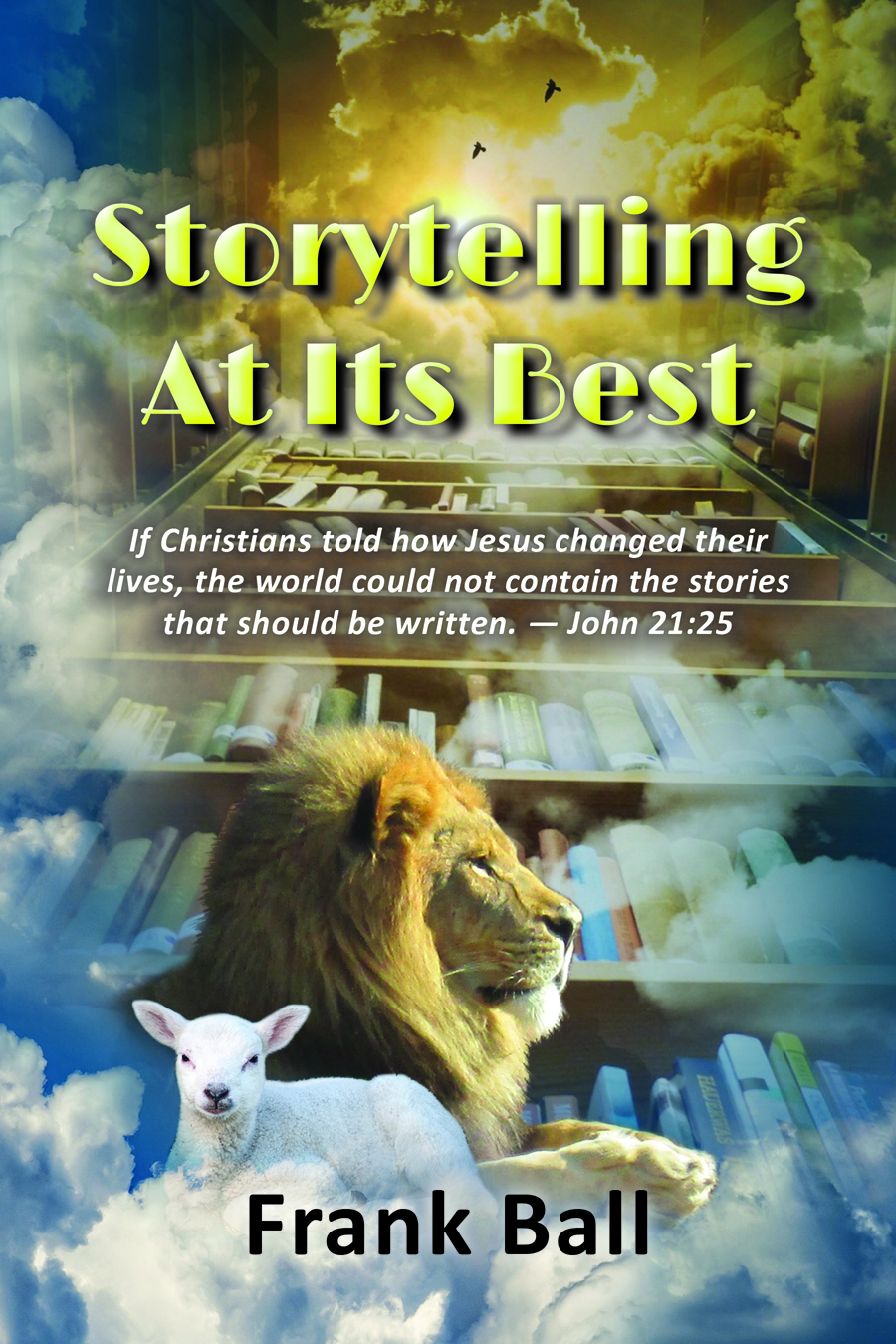
For a practical guide to storytelling, check out Storytelling at Its Best