
If God is at work in the world of your novel, then you have a chance at giving your readers an experience that is humbling, joyful, and maybe even transforming. — Donald Maass
Sometimes the page feels like a wide-open playground, and sometimes it feels like a brick wall. Excitement and apprehension often battle for control of our creative energy. But as Christian writers, our calling and joy have a deeper foundation. Let’s explore how to nurture an excitement in writing that lasts, even through challenges.
Excitement Versus Apprehension
Excitement is the anticipation of something good—a breakthrough, a finished chapter, or a published book. Apprehension is the fear of something bad—writer’s block, rejection, or poor reviews. Both live in the realm of “what might happen,” not “what has happened.”
Much like in life, our writing emotions can be misleading. A first-time novelist might be brimming with excitement before sending out a manuscript—only to face multiple rejections. Other writers might be weighed down with dread about sharing their work—only to find it warmly received.
Our emotions, while real, aren’t reliable guides.
Excitement Built on God’s Promises
Romans 8:28 reminds us about the great outcome ahead as our love for God keeps us striving to fulfill his purpose. Most definitely, this includes our writing. Our creative calling is not an accident, and our words are part of God’s great work.
When we see our stories, articles, or devotions as part of his plan, we can write with a sense of purpose that fuels excitement. This isn’t naïve optimism. It’s confidence that God can use every draft, rejection, and revision for good.
Even “failed” projects can become stepping stones toward better ones.
What to Believe
Writers hear many kinds of voices—from critics, peers, market trends, and their own inner doubts. The question is: Which voice will shape our outlook? Past failures might say, “You’re not good enough.” The market might say, “No one’s interested in your work.” What does God say? “I called you by name, and you belong to me” (Isaiah 43:1).
Believing God’s truth over other voices doesn’t mean ignoring feedback. It means weighing every influence against the reality of God’s call and purpose in your life. Like Joshua and Caleb, we can look at the giants in publishing and still say, “You aren’t a threat—because God is with me.”
False Excitement
Writers can be swept away by unrealistic expectations—dreams of instant bestseller status, viral recognition, or effortless creative flow. But when excitement isn’t grounded in reality, it eventually collapses.”
The danger here is burnout. Many promising writers have quit—not because they lacked talent, but because their expectations weren’t realistic. True excitement comes from knowing that steady, faithful work, done for God’s glory, is never wasted.
In Gethsemane, even Jesus, experienced apprehension before fulfilling his greatest mission. In writing, we can feel the tension between joy and fear. Rather than waiting until you feel 100 percent confident, step forward with both excitement and humility. Faith means trusting that God can work through your imperfect offering.
Fueling Creative Joy
Praise shifts our focus from ourselves to God. We do well to daily thank God for the ability to create, for the ideas he provides, and for the opportunities we have to share. One writer kept a “praise notebook” beside her writing notebook. On days she struggled to write, she read her praise entries—and her creative spark returned. Praise sharpens our awareness of God’s presence, which restores our joy to write.
Instead of asking God to simply “make writing fun again,” pray for eyes to see what he’s already doing. We may need him to open our eyes to the bigger picture—the unseen ways our words are planting seeds and shaping hearts.
Every time we recognize God at work through our writing, we gain fresh reason to keep going.
The Thrill of God’s Will
The more we align our writing with God’s purposes, the more our excitement deepens. Psalm 40:8 for writers should say: “My greatest pleasure is writing what you want, God. Your desire governs what I want.” Writing with this mindset turns each project into an act of worship.
When our creative drive comes from the Lord, it’s resilient. Rejections become redirections. Delays become preparation. And success is measured, not by sales or recognition, but by being faithful to his calling.
True Excitement
Writing for the Lord is about hope, not hype—not based on what might happen tomorrow but based on what he is doing today. When your creative energy is rooted in his promises, you’ll find that even the hard work of writing becomes a thrilling adventure.
Lord, I have proclaimed your righteousness without reservation. All those who love God and are working to fulfill his purpose should know that all things will work together for good. — Psalm 40:9; Romans 8:28 The Discussion Bible
The Write Side
I sat with my pencil, my paper, and my pen,
Wondering if words would come flowing again.
The page sat there waiting, so blank and so wide,
But I knew I could write with the Lord by my side.
Some days I feel happy. My words start to dance.
They skip and they spin with a twinkle and prance.
Other days feel heavy, all muddy and slow,
“Keep writing,” God says. “Your words need to grow.”
Excitement’s not magic. It’s built on his truth,
Like roots in the ground for the strength of youth.
When storms try to shake me or fears start to bite,
I lean on his promises and keep up the fight.
The giants in writing may laugh, scoff, and jeer,
But I’ll trust in my God—not give in to fear.
For the stories I write are seeds he has sown,
And the harvest will come in times he has known.
Each morning, I’ll praise him. I’ll thank him each night,
For the gift of stories and the joy as I write.
With each word I pen and each truth I proclaim,
I’m writing for Jesus and lifting up his name.
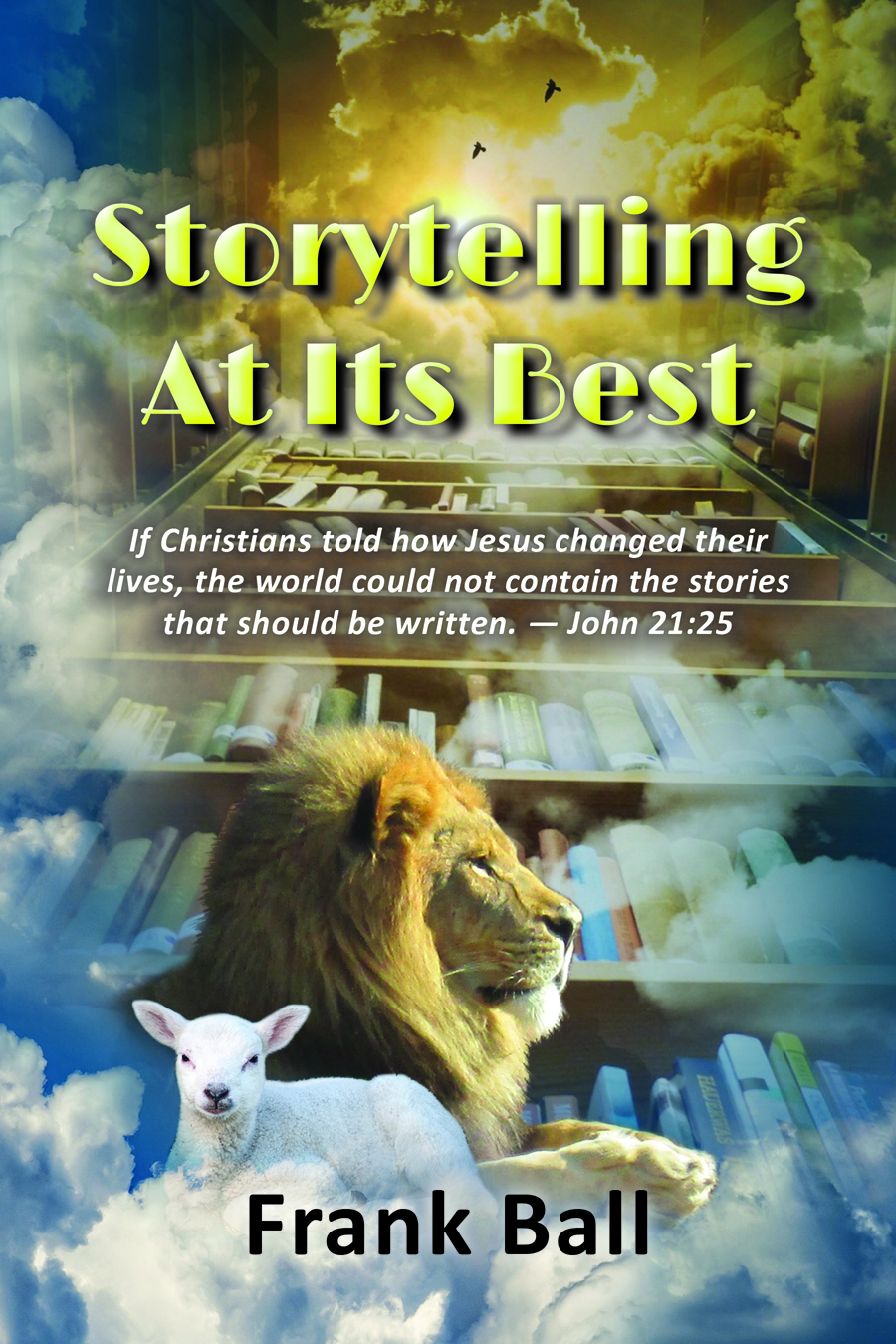
For a practical guide to storytelling, check out Storytelling at Its Best