
Sandwich every bit of criticism between two layers of praise. — Mary Kay Ash
A common saying among writers is to “Write what you know.” But here’s something even more powerful: Write what you’ve experienced—especially if it has stirred your soul, changed your thinking, or brought you closer to truth. One such theme is praise—not just in a religious sense, but as a human need and spiritual discipline. Whether you’re writing fiction, memoir, devotions, or poetry, understanding the nature and power of praise can transform your work and help your readers experience something far deeper.
What First Moved You
Many writers discover their voice in childhood—perhaps through affirmation, stories, or encouragement. Praise shapes identity, confidence, and expression. Think back: When you were young, who praised you? How did it affect your desire to grow or create?
In the same way, praise can inspire characters in your fiction or reflect spiritual development in your nonfiction. It’s a thread that runs through both personal experience and theological truth.
The Deeper Meaning of Praise
Praise is more than compliments or applause. It’s a deliberate act of recognizing goodness—especially when directed toward God. Scripture says God inhabits the praises of his people (Psalm 22:3). Why? Because praise invites presence.
As a writer, you are often inviting readers into a space where they can pause, reflect, and engage. Consider how your words might become a kind of praise—not only for what God has done, but for who he is.
Counterfeit Emotion
Emotion sells. But as writers, we must strive for authenticity over performance. Counterfeit praise is like hollow poetry—sounding beautiful but false. Your readers can tell the difference.
A song can stir feelings, but if the lyrics carry no heart, it’s just noise. Likewise, a paragraph may sound poetic, but if it isn’t grounded in truth, it won’t last.
Pathway to Depth
Praise celebrates what God has done. Worship reveres who God is. We might begin by writing the obvious praise and then we can grow into the profound worship area, recognizing the great nature of God’s love and grace. Let your writing evolve with gratitude leading to reverence.
Praise has power because it’s chosen, not forced. That’s what makes it meaningful. Readers respond to what is voluntarily and joyfully shared. Compelled words feel stiff. Inspired words breathe. When you express God’s greatness, you’re participating in something cosmic and eternal.
Pride in Your Writing
Satan’s fall is an example of misplaced value—a reminder that we must check our motives. Are we writing to shine a light on God’s greatness—or to show our own cleverness? There’s nothing wrong with excellent writing. Just be sure the spotlight is where it belongs.
We should praise God for what he has done, what he is doing, and what he will do. That’s a powerful structure for any piece of faith-based writing. For the past, share a story that shows God’s faithfulness. For the present, reflect on where you see him working now. For the future, encourage hope and trust in what he has yet to do.
Writing Tips
- Tap into the emotion of recognition. Whether it’s a child beaming at a parent’s approval or a soul awakening to God’s goodness, use that moment to build connection.
- When writing devotions or inspirational content, separate what God has done from who God is. Let your writing walk readers from praise to worship.
- Before publishing, ask yourself, Do I believe this? Don’t write what sounds right. Write what is right. Truth resonates.
- Begin a blog with thanking God for what he has done and end with a deeper recognition of his sovereignty and goodness even during trying times.
- Don’t be afraid to use poetic or figurative language. But make sure your metaphors serve truth, not just style.
- Let humility shape your voice. Ask yourself, Is this about me, or about something bigger than me?
- Even if the breakthrough hasn’t come yet, praise God for the promise and write with faith.
Praise as a Writing Posture
Don’t underestimate the power of praise—not just as a theme, but as a posture. Writing in a spirit of praise changes your tone, deepens your message, and opens your heart to revelation. Praise shifts your focus from productivity to God’s directive presence.
Write with thanksgiving. Write from wonder. Let every word become an offering—so all that has breath will praise the Lord.
Joyful Praise
When I was a kid, and I did something right,
I grinned ear-to-ear in the warm morning light.
A pat on the back or a kind little cheer—
Would sparkle my heart and bring purpose near.
But praise isn’t just for the things we do.
It’s also for God, who is faithful and true.
He’s worthy of songs, of thanks, and of claps—
Of dancing in joy and the best of the raps.
We praise him for blessings and all he has done—
For rising each morning and setting the sun—
For healing, provision, the strength that he gives—
For mercy and grace in the life that he lives.
But worship goes deeper, beyond what he’s done.
It honors his nature, the Father and the Son.
We stand in his presence, in awe and in love,
Adoring his heart and his throne up above.
Now praise can go wrong when we fake it with flair—
When words leave our mouths, but our hearts are not there.
It’s more than a tune or a song that we play.
It’s knowing his goodness and meaning what we say.
If people grew quiet and stopped all their praise,
The rocks would cry out in a thunderous blaze.
Creation can’t hold back the truth of his fame.
The trees and the rivers all honor his name.
But pride is a villain that steals praise away.
It whispers, “I’m better,” then leads us astray.
That’s what made Satan fall from his place.
Seeking his glory, he missed Heaven’s grace.
We all have a choice. That’s what makes praise
A powerful gift we should give for all our days.
Not forced or faked, praise is honest and true—
A song from the soul that says, “God, I love you.”
So praise for the past, for the now, and what’s new—
For all that he’s done and is planning to do.
Praise him for who he has been and will be.
Let’s write it and shout it and sing joyfully.
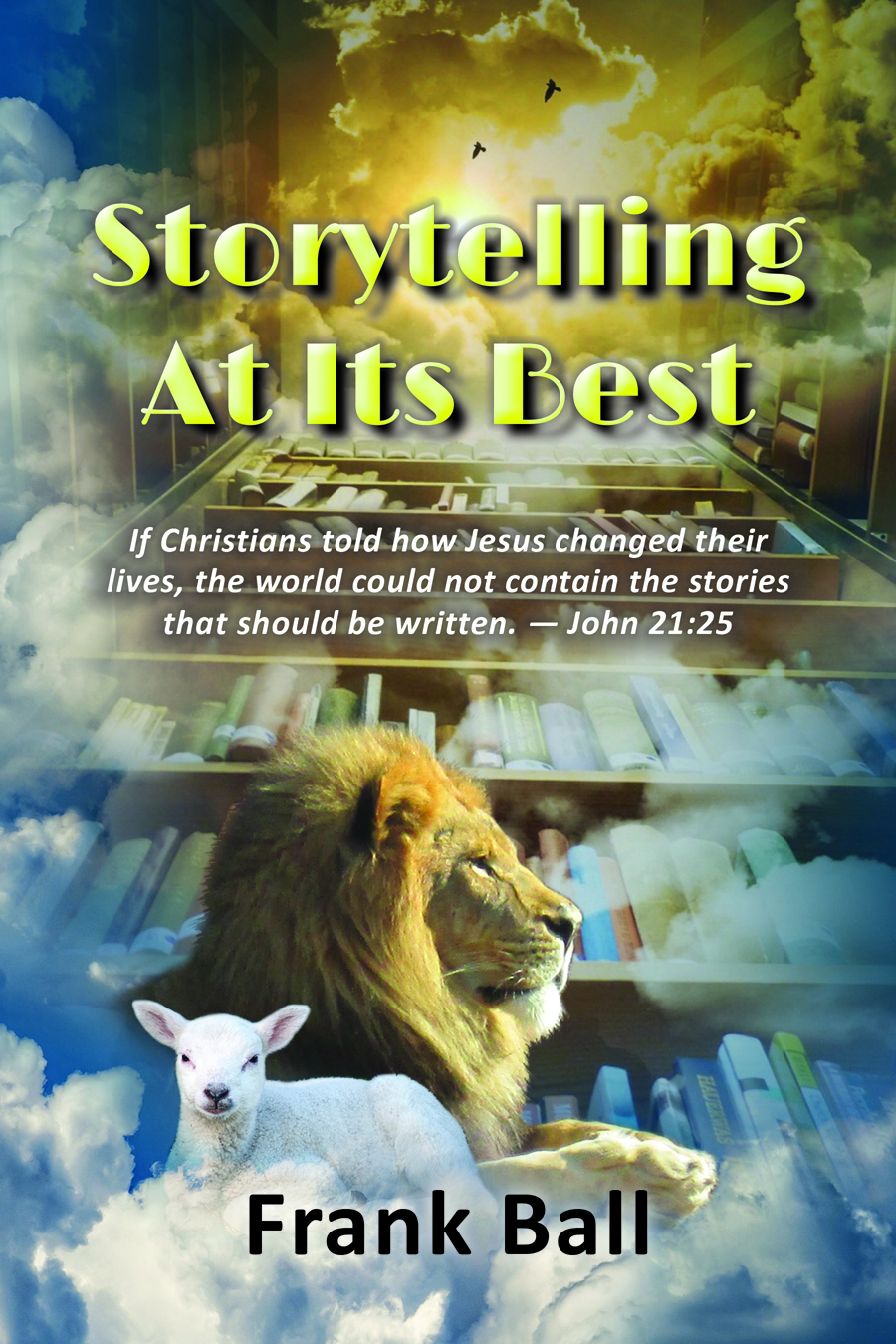
For a practical guide to storytelling, check out Storytelling at Its Best