
Both metaphor and simile are points of color, illuminations that give the rest of the story special life by their reflections. They are not objectives by themselves, to be flaunted for their own sake. — Paul Darcy Boles
Writing should illuminate, not merely communicate. Like light refracting through a prism, our words can present truth into vivid, unforgettable hues. Just as God filled creation with color, texture, and contrast, writers are called to reflect that beauty through carefully crafted scenes that engage the senses and stir the soul. Let’s explore how to write with color—infusing depth, symbolism, and reflection—so every sentence shines with purpose and every story pulses with divine light.
Depth and Variation
Writers, like painters, must learn to see beyond surface tones. God didn’t create the world in black and white. He filled it with depth, variation, and vibrancy. For a writer, this means moving beyond bland or generic language to evoke imagery that shimmers with nuance. Snow isn’t just “white.” It’s “a blanket of soft silver” or “crystals dancing in morning light.”
In the beginning, God said, “Let there be light,” and created the source of color and also the basis for story. Writers bring light to the page, illuminating characters, settings, and emotions. As God’s light refracts into color, our words refract meaning when written with depth and intention.
To write with color is to write with texture. Instead of saying “the tree was green,” describe it as “emerald leaves trembling like coins in the sun.” Learn from God’s creation. Every flower, storm, or sunset holds layers of story waiting to be told.
Colorless Writing
Many beginning writers fall into the trap of “black-and-white” descriptions, which are overused phrases, shallow adjectives, and flat expressions. Just as early photography couldn’t capture the vibrancy of real life, colorless writing fails to reflect the richness of human experience.
What we first put on the page is often just a faint reflection of what we truly mean. Revision brings clarity and color. To grow as a writer, expand your perception. Don’t just describe what a place looks like. Describe how it feels, smells, and sounds.
Colorful writing arises from first noticing and then naming details that others overlook. Instead of a “scary storm,” write about “wind howling through chimney cracks” and “lightning slicing the horizon.”
Symbolism of Color
Color in the Bible is often used to add depth to the picture, and you should do the same when writing scenes. Each color carries meaning. Use that to your advantage as a storyteller.
- White conveys purity, innocence, or clarity. “Although your sins are scarlet, they can be white as snow. They are crimson red, but I can make them as lamb’s wool” (Isaiah 1:18).
- Black often symbolizes mystery, depth, or danger. “Their appearance is now blacker than coal, their value unrecognized in the streets. They are shriveled skin upon bone, like a dry stick” (Lamentations 4:8).
- Red can suggest passion, war, or sacrifice. “I have squeezed the grapes alone. Nobody was with me. I trampled them in furious anger, and their blood splattered my garments until all was turned red” (Isaiah 63:3).
- Blue offers calm, eternity, or divinity. “God spreads the crystal blue sky like a polished mirror. Expert tailors dress them like kings in blue and purple robes” (Job 37:18; Jeremiah 10:9.
- Gold and silver imply value, glory, or refinement. “Each gate was made of one pearl, and the pavement of the city was of the purest gold—clean, polished, and translucent like glass” (Revelation 21:21).
These associations can deepen readers’ perception of your characters. For example, a character dressed in white may reflect purity—or an ironic lack of it. A crimson sky can foreshadow conflict. Consider the emotional and spiritual weight that color can add to your words.
Light and Reflection
Writers don’t invent truth; they reflect it, like a chrome bumper that shines like starlight bottled and bent into steel. Just as silver looks different depending on its surroundings, your words take on tone and meaning based on the emotional and thematic environment you create.
The apostle Paul writes about looking into a mirror. “We see the beauty of who we will become, more and more like the Lord, being changed from glory to even greater glory by the work of his Spirit” (2 Corinthians 3:18). That’s the writer’s journey—constantly growing in how we reflect beauty and truth.
Your writing should reflect your values, your experiences, and your observations. Don’t shy away from uncomfortable truth or honest emotion. The best writing is not always shiny, but it should be reflective. Ask yourself, What light am I casting through these words? Who or what do I reflect?
Use similes, metaphors, and personification to create reflective imagery. Let each sentence shimmer with significance, shaped by the light of the truth you carry.
Color Beyond Earth
Heavenly visions in Revelation are overflowing with color and description—jasper, sapphire, emerald, and gold. These images remind us that words can gesture toward realities too vast for sight. As a writer, your job is to pull back the curtain and give readers glimpses of glory beyond what people ordinarily see.
Writers have the gift of suggestion—painting pictures of what cannot yet be seen anywhere on Earth. When writing about the spiritual, emotional, or symbolic realities, let your language rise to the task. Use vivid descriptions, poetic cadence, and imagination to give shape to the unseen. Let readers feel the awe, the mystery, and the holiness of what’s beyond.
Color and the Human Experience
Color is more than sight—it’s emotion. Writers use color to suggest tone, personality, and mood. A gray sky may set the stage for sorrow. A yellow dress might suggest joy. Color can even describe voice or rhythm, such as a “velvety tone,” a “bright phrase,” or a “cold silence.”
Employ multisensory descriptions. Mix visual imagery with sound and texture. Describe a kitchen not just by sight, but by “the golden sizzle of onions in the pan.” When characters dream, let the color of those dreams match their fears or desires.
Explore how color affects psychology and apply that to narrative tension. What color is associated with your character’s hope? What shade echoes their shame?
Diversity in Colorful Writing
Every voice is different. Every story has its own hue. Just as humanity includes every skin tone, accent, and background, your writing should embrace a diversity of perspectives and expressions. Celebrate diversity in your characters, themes, and word choices. Avoid stereotypes or oversimplification. Let your language reflect the rich mosaic of human experience.
Write stories that honor cultural color, emotional complexity, and spiritual truth.
The Beauty of Divine Color
Colorful writing is not about using big words or ornate sentences. It’s about being intentional with every word—choosing verbs that vibrate, nouns that sparkle, and imagery that evokes.
Psalm 19:1 says, “The universe reveals God’s glory to all who will look up and see the magnitude of his work.” As a writer, your page is your sky. Let it proclaim the magnitude of God’s work.
Whether you are writing fiction, poetry, devotions, or memoir, your calling is to reflect the color of God’s creation and character. Illuminate the page. Stir hearts. Paint with words.
So take up your pen like a brush, and create boldly. Write stories that shine with faith, beauty, and truth—in full color.
God’s World in Living Color
God painted the world with a marvelous flair,
With color and shimmer spread everywhere.
No object is ever just one single shade,
The choice of each leaf and feather color carefully made.
The male peacock struts in his dazzling show,
With blues that can sparkle and greens that can glow.
From black down to white and the grays in between,
Each hue holds a whisper of wonders unseen.
Before there was color in pictures and screens,
We saw the world in just black-and-white scenes.
But when color came bursting, we gasped at the sight
That brought life and wonder, making things feel right!
Each color has meaning, a symbol, a sign—
Like white for the pure, the clean and divine.
Black is for mourning, or something gone wrong,
While red pulses fiercely with blood and with song.
Blue is for skies and oceans wide and deep,
A symbol of calmness, of peace while we sleep.
Pink speaks of softness, a delicate tone,
And gold seems to shimmer like light from God’s throne.
Silver and chrome aren’t colors per se—
They bounce back the light in a shimmering way.
They mirror the moment, reflect what they see,
Like people who shine when they’re loving and free.
Now up in the heavens, the colors must soar—
With shades that our eyes haven’t noticed before.
More vivid than sunset, more deep than the sea—
A palette reserved for God’s glory to be.
Some people hear music and see it in light—
With colors that dance in the rhythm of night.
In dreams, we may wander through colors unknown,
Where hues hold a meaning that words haven’t shown.
So writers, take notice, don’t settle for bland—
God gave us bright brushes to hold in our hand.
With color and symbol, with texture and gleam,
Our words can awaken a technicolor dream.
There’s beauty around us, unseen yet profound—
In shadows, reflections, and echoes of sound.
Just open your senses. Let color come through,
And write with the wonder God painted in you.
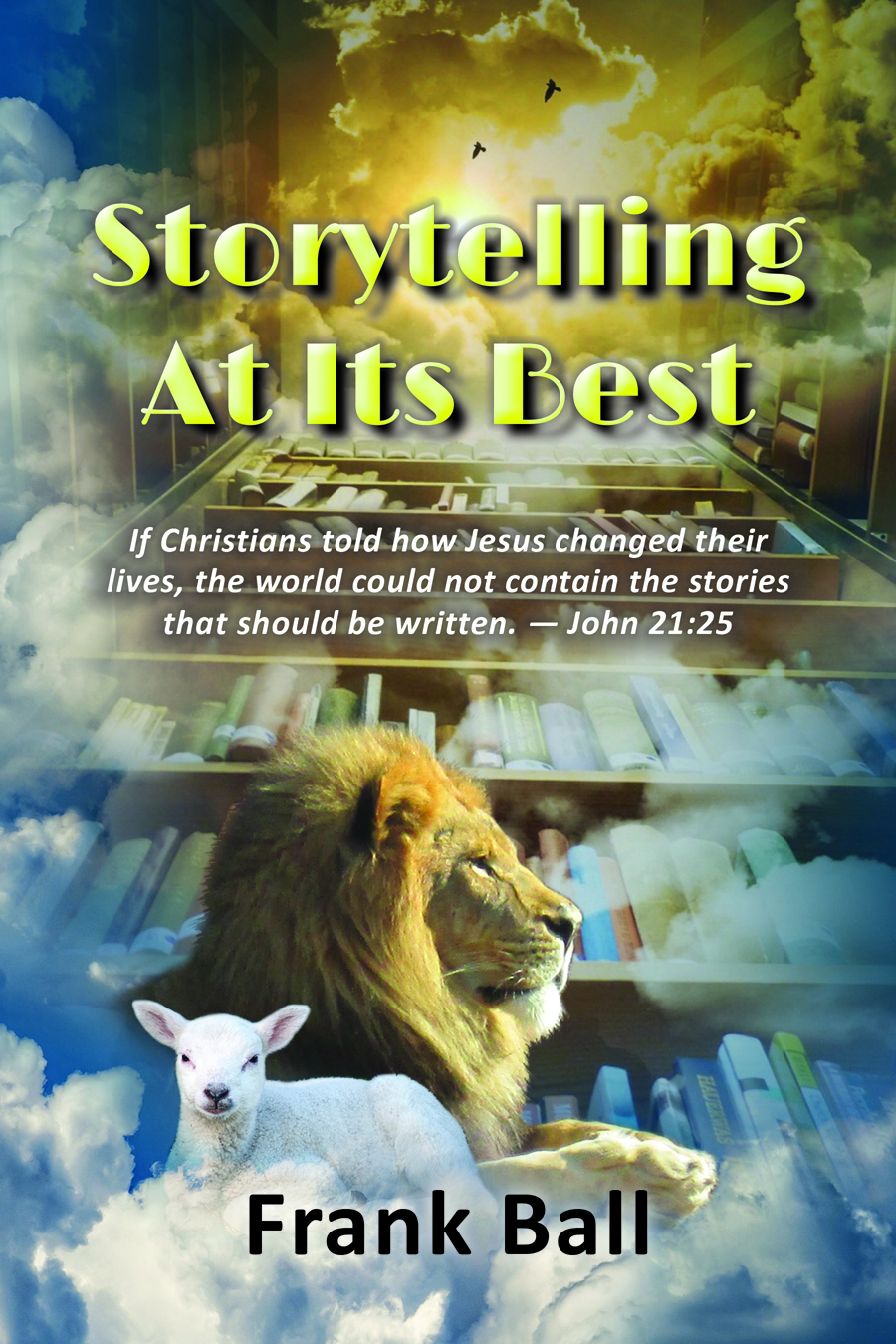
For a practical guide to storytelling, check out Storytelling at Its Best