If you persist, with patience, without panic, your way will become clear. It might happen quickly, or it might take time and lots of pages. But it will come. — Elizabeth Sims
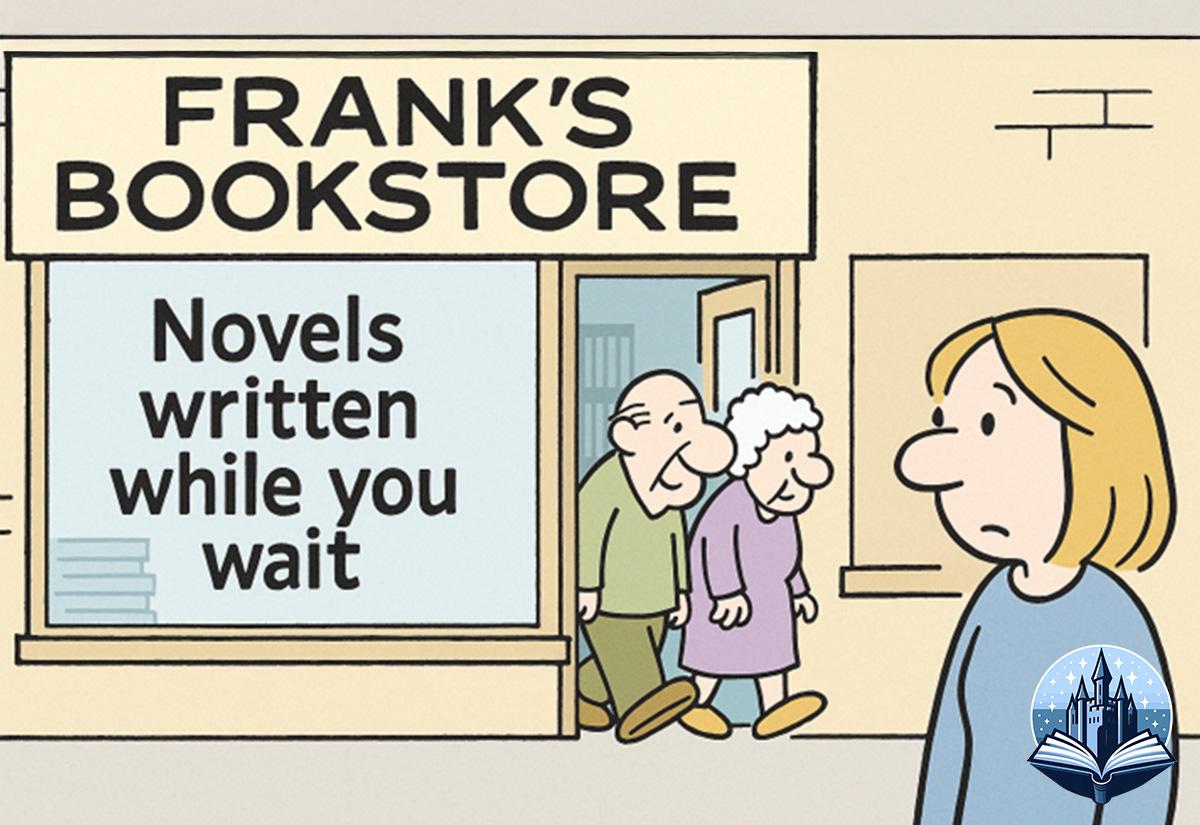
Imagine Frank’s Bookstore, where one day you can walk in with a book idea and then walk out with a completed novel. The question is: How many days of waiting are between the idea and the book coming off the bookstore shelf? Well … Rome wasn’t built in a day, was it?
Transforming your wonderful concept into a compelling novel can be slow, frustrating, and filled with long stretches of silence. As months turn into years, you may wonder if the story will ever be finished—or if it’s worth the effort. But the truth is, great stories aren’t easily written. They’re lived, refined, and earned over time—often, a very long time.
Here’s a tribute to long-haul writers who refuse to give up. As we quietly shape our stories that will someday captivate our readers, we can celebrate our well-earned gray hairs, life scars, and wisdom.
The Slow-Brewed Art of Storytelling
In a few minutes, we can microwave a frozen dinner. In a month, we might write a lot of stuff and call it a novel, but it won’t be suitable for human consumption. Effective storytelling is more like slow-smoking a brisket—taking time and patience, heat and pressure. There are no shortcuts to emotional resonance, character depth, or a plot that will linger in readers’ minds long after the final chapter.
If you’re writing with substance, not just speed, you can already guess what we all need to remember. It’s going to take awhile—months, maybe years, or possibly even decades. That’s not a sign of failure. It’s the nature of artful storytelling.
Gray Hair, Receding Hairlines, and Real Life
Let’s be honest—writing ages us a bit. Whether it’s wrinkles from late nights, gray hair from wrestling with a stubborn plot, or frustration-induced pacing that has worn grooves in our floor, the struggle is real. But we can’t afford to quit, because quitting is the only way we can fail.
Every life experience—each heartbreak, triumph, and silent breakthrough—adds texture to our writing. We become better storytellers, not just by writing more words, but by living more life.
That wrinkle on your forehead? It might just be the line that gives your character true emotional depth.
Patience Worth the Wait
Scripture calls patience a fruit of the Spirit for good reason. Waiting well is an important discipline if you want to be among those who are writing well. With persistence and perseverance, you strive to reach the end of that first daft. Your manuscript may seem to be developing at a glacial pace. But in that slow progress, something beautiful is happening: You’re growing in voice and vision. You’re deepening your understanding of the human condition. You’re becoming more refined in your storytelling—and in your soul.
Writing isn’t just what we do. It’s who we’re becoming while we do it.
No Need for Another Rushed Book
We already have a flood of fast-paced, mass-produced stories that flash briefly in the spotlight and then disappear. But the stories that last for generations? Before the first draft, the great writers spent countless days of research and writing their sample scenes—with a great share of the information never reaching the printed page. Chapters were written and rewritten, each time focusing on the tension that would drive the story forward. One chapter after another, each one took time. And when the first draft was finished, they were just getting started.
You get the picture. The most valuable things take lots of time and effort. And patient persistence.
On the day of its release, your story will carry the weight of wisdom earned, not just plot points and a few interesting characters. It will have soul, not just structure. Why? Because it came from someone who kept going—even when it would’ve been easier to quit.
A Story Keeps Growing
Like a seed planted, progress may be invisible for a season. But the roots are growing. Strength is forming. And when the time is right, the blooms and fruit will follow. So don’t rush the process. Don’t envy someone else’s timeline. You’re writing a novel that will be worth the wait.
And while you’re waiting? Write another page. Edit more sentences. Live another scene. Collect another gray hair or two. They’ll all make your story richer in the end.
Great novels aren’t just written on desktop and laptop computers. They’re written on the pages of our lives—through tears, laughter, and setbacks. And all that for yet an additional draft.
Honor the process. Value the years. Remember … some of the best books are written while you wait.
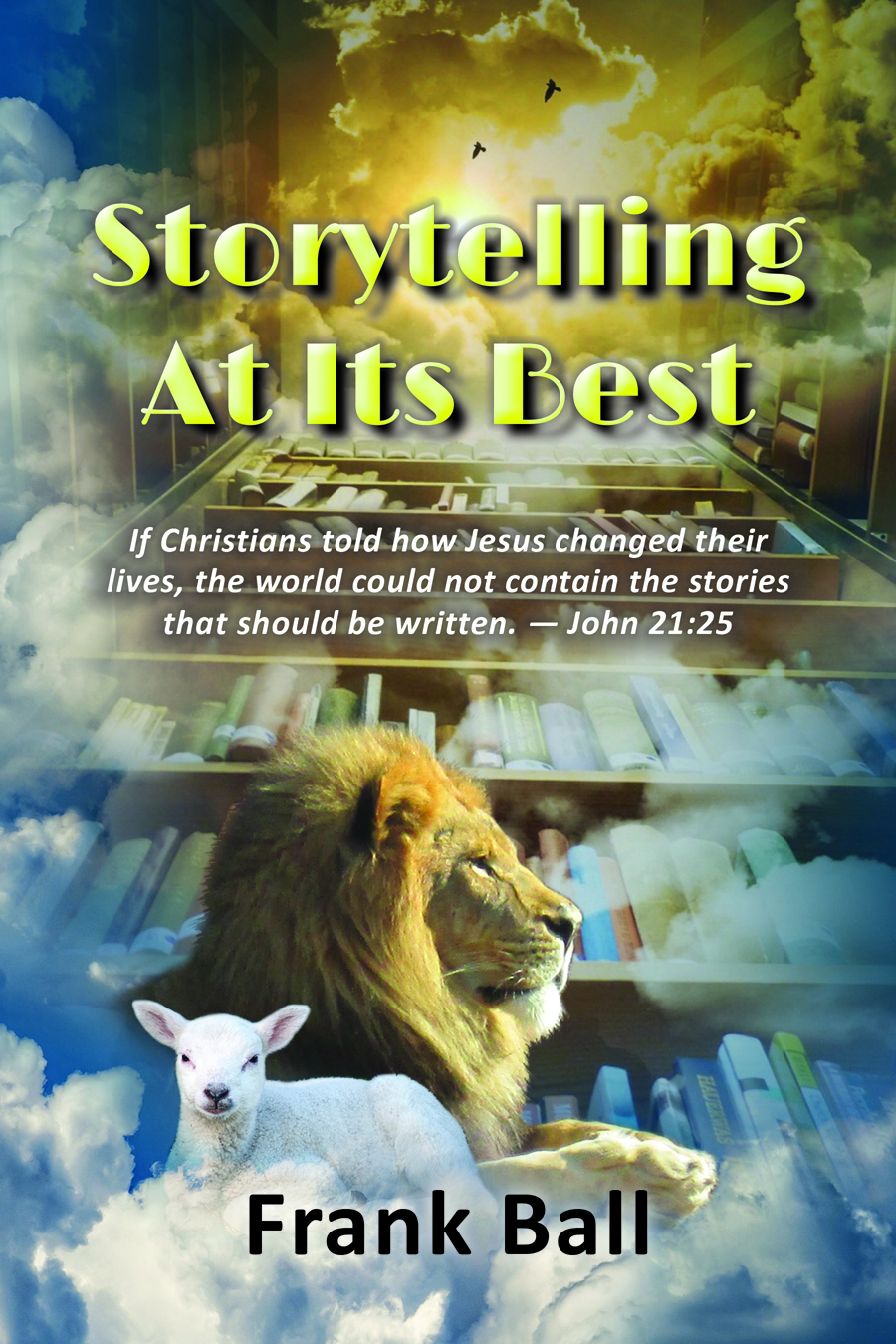
For a practical guide to storytelling, check out Storytelling at Its Best